Kamakura vs Hakone vs Yokohama: Which Day Trip from Tokyo?
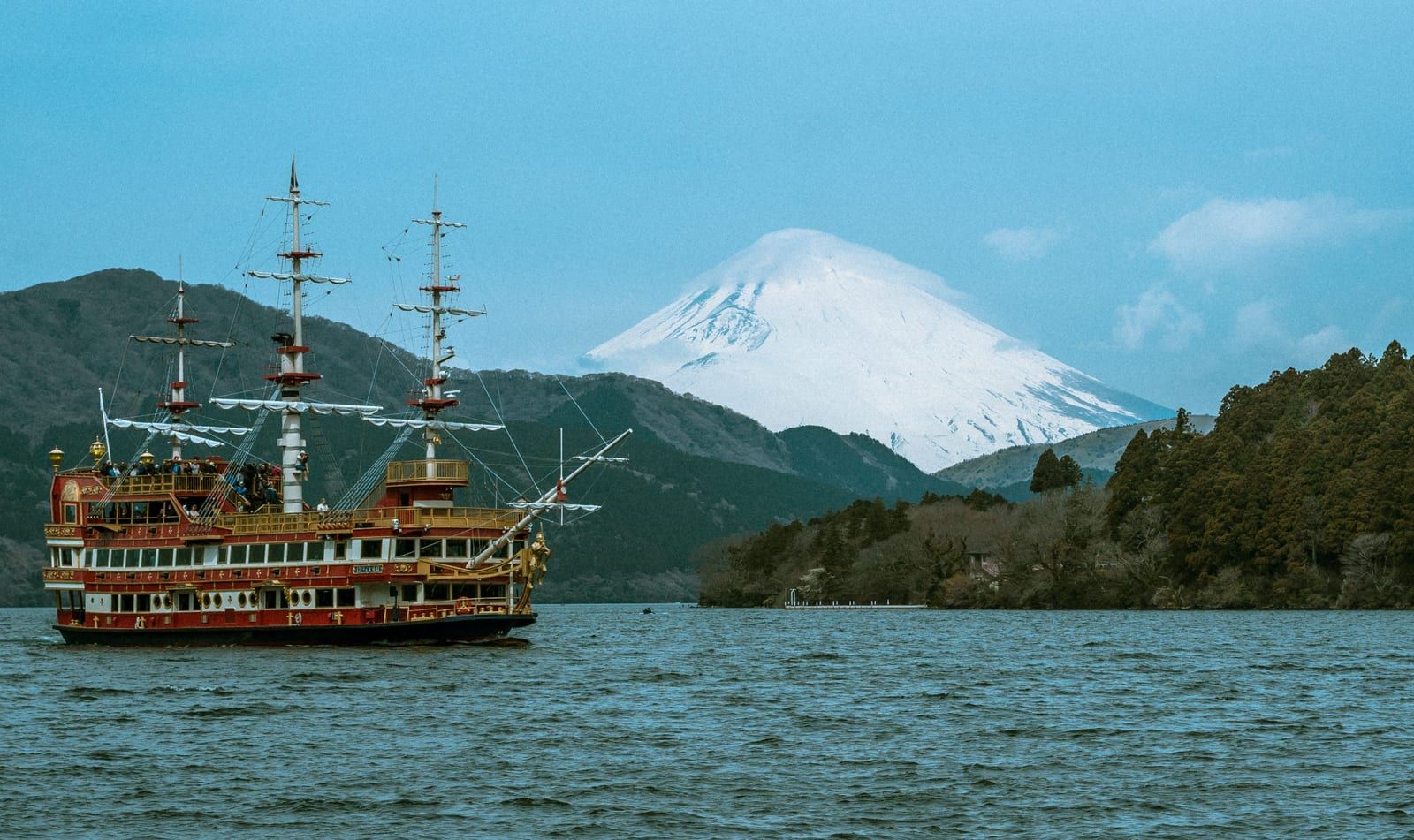
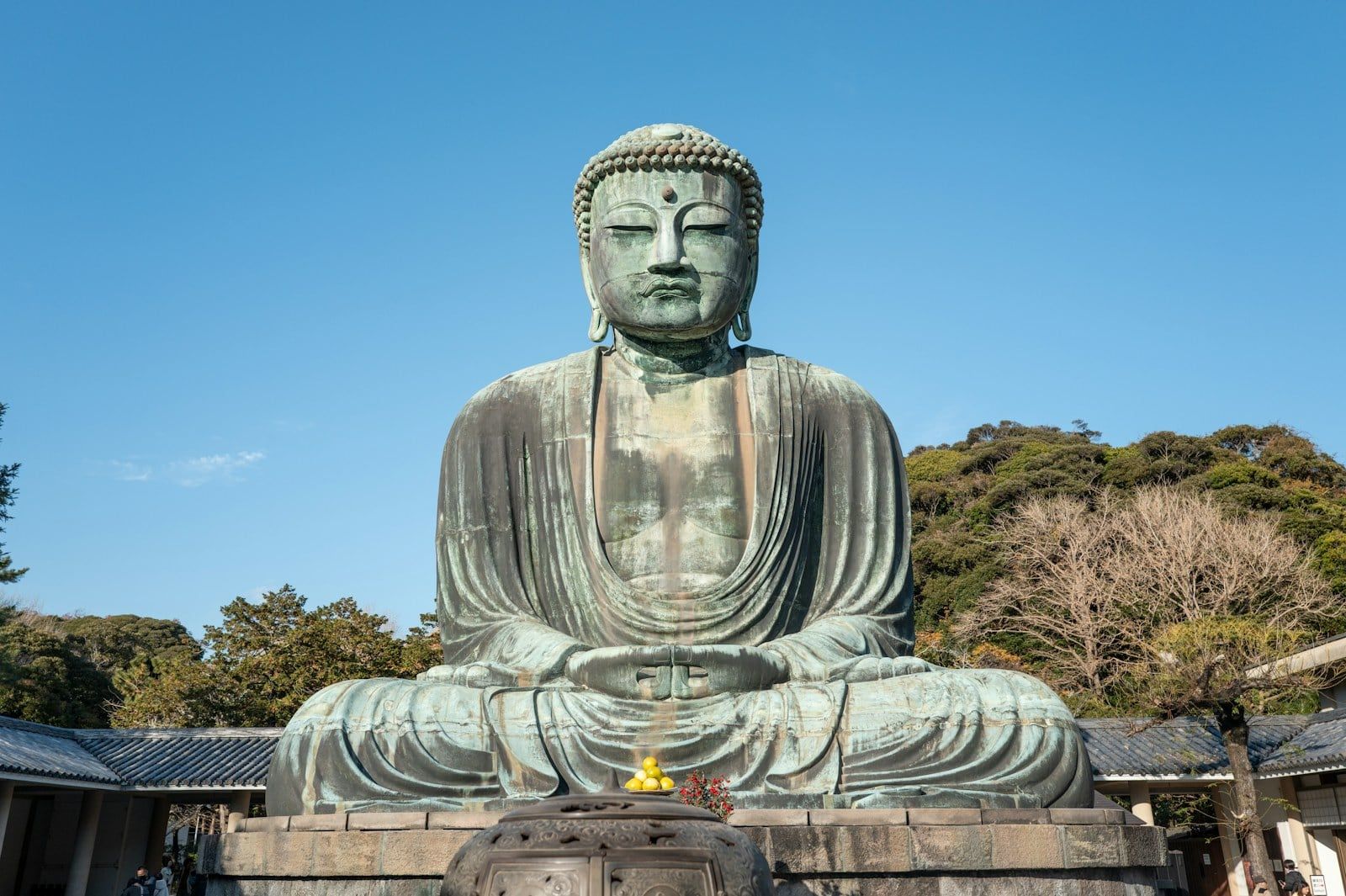
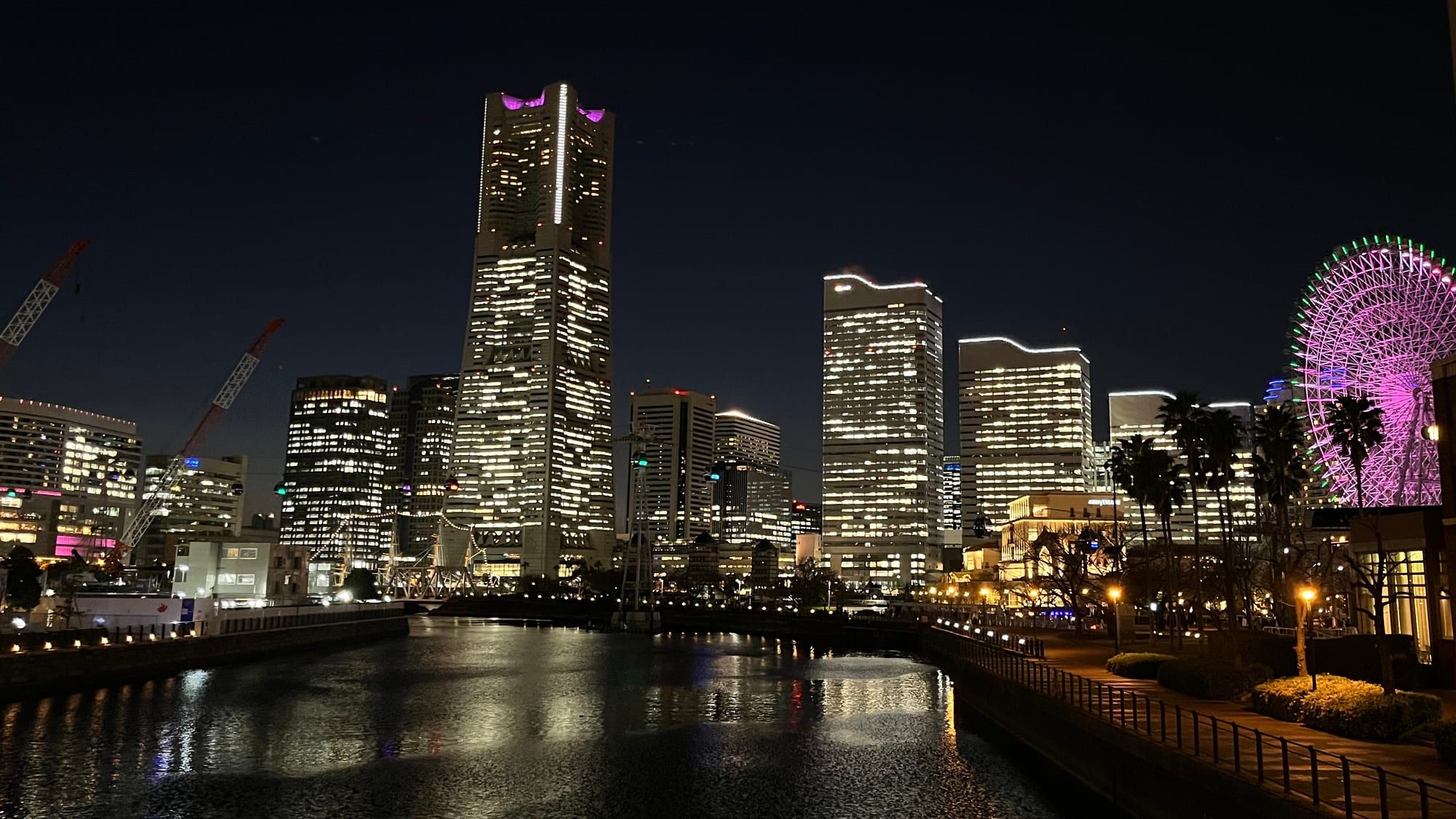
Kamakura, Hakone and Yokohama are the three classic day trips from Tokyo, and they suit very different days. Kamakura is temples, the Great Buddha and the sea. Hakone is mountains, hot springs and a chance to see Mt Fuji. Yokohama is Chinatown, the harbor and a skyline at night.
This page compares them side by side and sends you to the full guide for each area. All prices are adult fares in yen, as of October 2026, from the official sources listed at the end.
The decision table
| Kamakura (with Enoshima) | Hakone | Yokohama | |
|---|---|---|---|
| Travel time from Tokyo | About 1 hour by JR | About 80 min by Romancecar from Shinjuku to Hakone-Yumoto | About 35 min from Shibuya to Motomachi-Chukagai |
| Length of the day | 9 to 11 hours door to door | 11 to 12 hours door to door | About 7 hours (afternoon and evening) |
| Transport cost | 1,640 yen (Enoshima-Kamakura Freepass from Shinjuku) | 9,500 yen (Hakone Freepass 7,100 + Romancecar 1,200 each way), or 7,100 yen on regular trains | 920 yen (Tokyu Line Minatomirai Pass from Shibuya) |
| Main entry fees | 700 yen for Hasedera (400) and the Great Buddha (300) | Transport is the main cost; museums and onsen are extra | Walking Chinatown and the waterfront needs no ticket; the Ferris wheel and museums are extra |
| What you see | Zen temples, Tsurugaoka Hachimangu, the Great Buddha, the Enoden along the coast, Enoshima at sunset | Owakudani by ropeway, Lake Ashi by boat, onsen towns | Chinatown, Yamashita Park, Red Brick Warehouse, Minato Mirai at night |
| Best season | Autumn leaves, usually late November to early December | Winter for Mt Fuji views (but shorter ropeway hours and planned closures) | Any season; the plan is built around the evening |
| Rainy-day option | Weak: the main sights are outdoors | Weak: views go; the ropeway stops in strong wind or thunder | Good: the Red Brick Warehouse and Cup Noodles Museum are indoors |
| Full guide | Kamakura and Enoshima day trip itinerary | Hakone day trip itinerary from Tokyo | Yokohama day trip itinerary from Tokyo |
Some notes on the table:
- Kamakura cost. The Freepass covers the Odakyu round trip from Shinjuku and unlimited Enoden rides. Starting from Tokyo Station, JR plus Suica is simpler. JR raised its fares in March 2026, so check the current JR fare in a route app. See How to get from Tokyo to Kamakura and Enoshima-Kamakura Freepass vs Enoden pass vs Suica.
- Hakone cost. The 7,100-yen 2-day Freepass from Shinjuku pays off on the full Hakone loop, even on a day trip. If you only go to Gora or Lake Ashi and back, it doesn’t. The break-even math is in Is the Hakone Freepass Worth It?.
- Hakone status. Before you go, check the official Hakone Navi status page. The ropeway has planned inspection closures: Sounzan to Owakudani from December 7 to 24, 2026, and Owakudani to Togendai from January 12 to February 26, 2027, with replacement buses. In December and January, the ropeway closes at 4:15 p.m. instead of 5:00 p.m.
- Yokohama cost. The Minatomirai Pass price is from Shibuya. From Tokyo Station or Shinjuku, an IC card is the simpler choice.
Who each trip suits
Kamakura suits you if:
- You came to Japan for temples, shrines and old streets.
- You want the sea and a sunset in the same day (add Enoshima).
- You want the lowest-effort trip with traditional sights: one train from Tokyo, about an hour.
- Skip it if you dislike crowds and stairs on weekends, or if it’s raining hard.
- In late autumn and winter, see Kamakura in autumn and winter for leaf timing, temple closing times and New Year rules.
Hakone suits you if:
- You want mountain scenery, a volcanic valley and a lake in one loop.
- Mt Fuji is a main goal. Hakone Navi says winter often gives views all day, while summer views are better in the morning. Clouds can still hide it in any season.
- You want an onsen, either as a day visit or overnight.
- Skip it if you have only half a day or a tight budget. It’s the longest and most expensive of the three.
Yokohama suits you if:
- You want food, waterfront walks and a night view.
- You have only an afternoon, or the morning is rainy.
- You want the cheapest trip. See What to eat in Yokohama Chinatown for the food side.
- Skip it if temples or Mt Fuji are why you’re leaving Tokyo.
Combinations
Kamakura and Yokohama in one day
These two sit on the same JR line. The JR Yokosuka Line runs from Tokyo Station through Shinagawa and Yokohama to Kamakura without a change. That makes a natural one-day pairing:
- Morning to mid-afternoon: Kamakura. Temples run on daytime hours. The Great Buddha closes at 5:00 p.m. from October to March, and Hasedera’s last entry is 4:30 p.m. from July to March.
- Evening: Yokohama. Ride back toward Tokyo and get off at Yokohama. The waterfront and Minato Mirai skyline work after dark.
This works best with Suica, since the Enoshima-Kamakura Freepass doesn’t cover JR. Check the JR fare in a route app. The order above is the one-day plan: Kamakura while the temples are open, then Yokohama in the evening. For a timed version, see Kamakura and Yokohama in one day.
Hakone as an overnight trip
Hakone is the one trip of the three where a night makes a real difference:
- You can be on the ropeway soon after it opens at 9:00 a.m., which a day trip from Tokyo can’t do.
- You can split the loop across two days and add a museum.
- You can stay at a ryokan with dinner and an onsen.
With the 2-day Freepass and the Romancecar both ways, transport from Shinjuku costs the same 9,500 yen as a day trip, so the room is the only real extra. See:
Hotel listings for Hakone are on Trip.com.
Kamakura and Enoshima
Enoshima is part of the standard Kamakura day: temples in the morning, the Enoden along the coast, and the island for sunset. The Enoshima-Kamakura Freepass covers this whole route from Shinjuku.
All area guides
Kamakura and Enoshima
- Kamakura and Enoshima day trip itinerary
- How to get from Tokyo to Kamakura
- Enoshima-Kamakura Freepass vs Enoden pass vs Suica
- Kamakura in autumn and winter
- Enoshima half-day guide
- Enoden guide
- Enoshima at night
- Where to see Mt Fuji in Kamakura and Enoshima
Hakone
- Hakone day trip itinerary from Tokyo
- Is the Hakone Freepass Worth It?
- Hakone day trip or overnight?
- Hakone ryokan with private onsen
- Romancecar from Shinjuku to Hakone
- Tattoo-friendly onsen in Hakone
- Hakone with luggage
Yokohama
Related guides
-
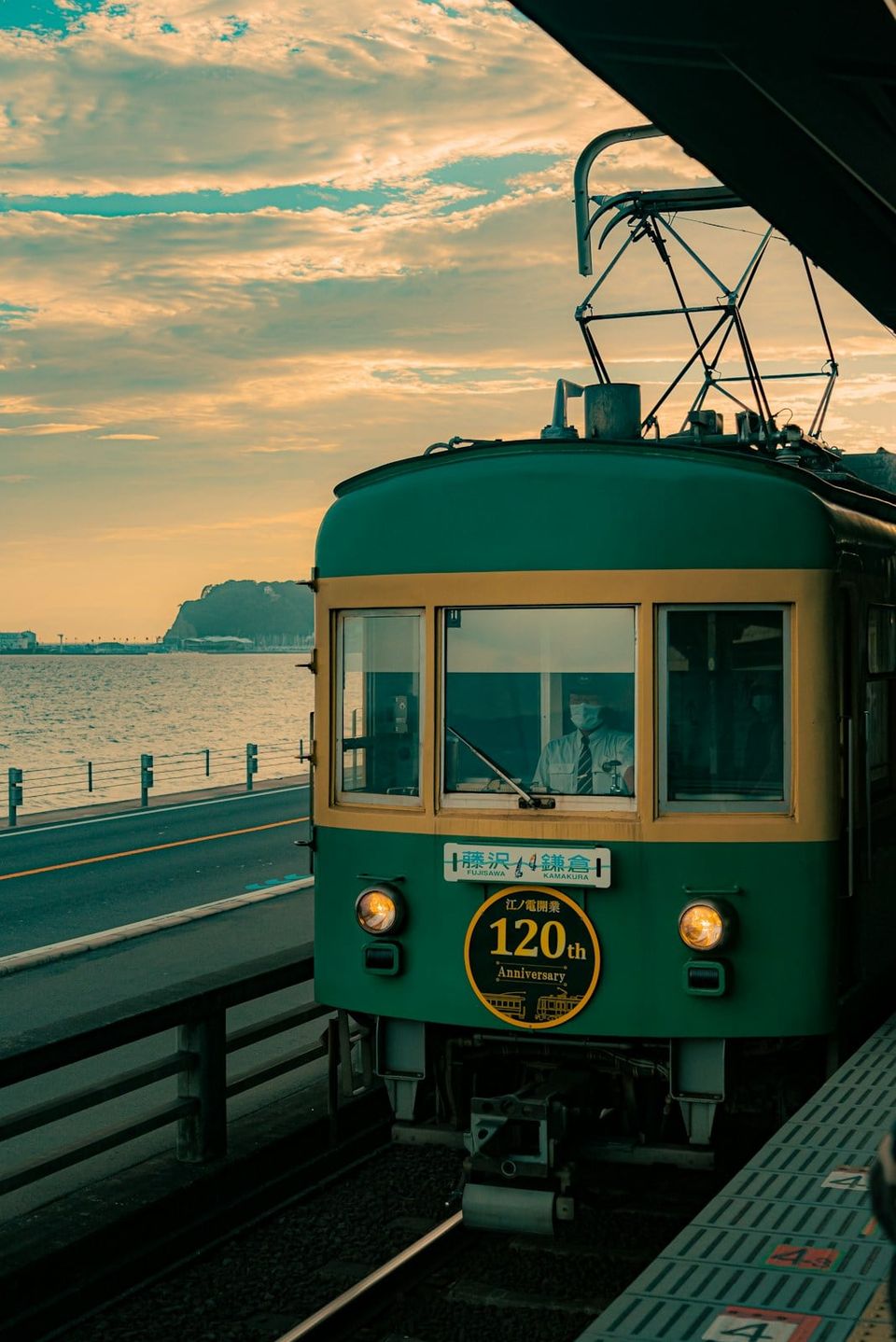
Photo: Tsukada Kazuhiro / Unsplash (Unsplash License), displayed with a crop Kamakura and Enoshima Day Trip Itinerary from Tokyo (One-Day Plan)
How to see Kamakura's Great Buddha, Hasedera and Enoshima in one day from Tokyo: the order that works, which pass to buy, and what it costs.
-
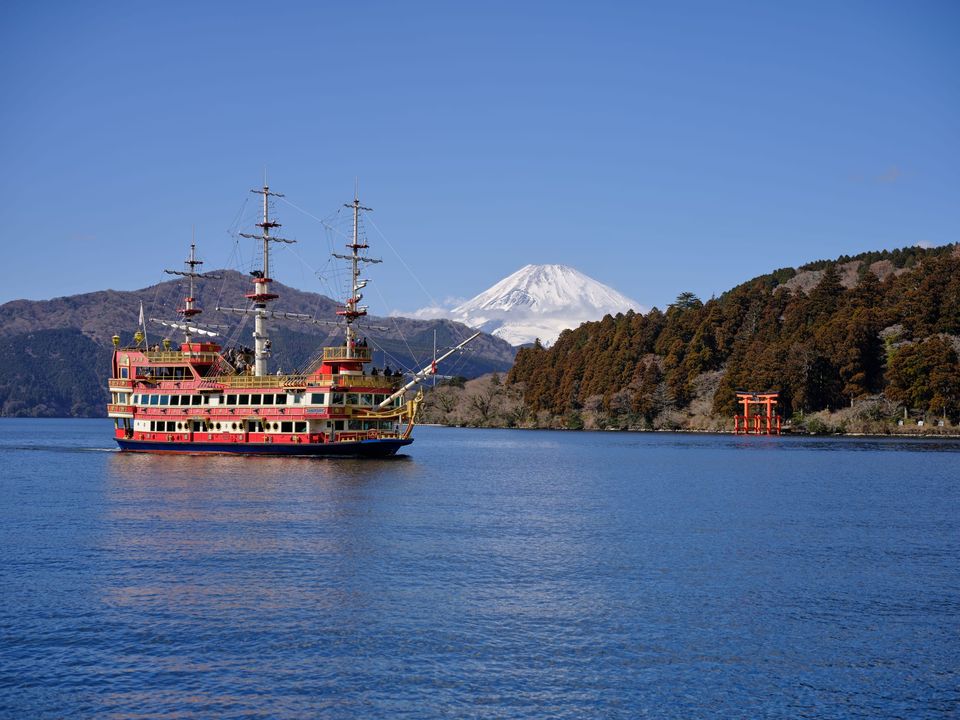
Photo: 정 우겸 / Pexels (Pexels License), displayed with a crop Hakone Day Trip from Tokyo: Times, Fares, Last Runs
Hakone day trip from Tokyo: 11 to 12 hours from Shinjuku, leaving around 8 a.m. Ropeway until 5 p.m. About 9,500 yen with the Freepass and Romancecar.
-
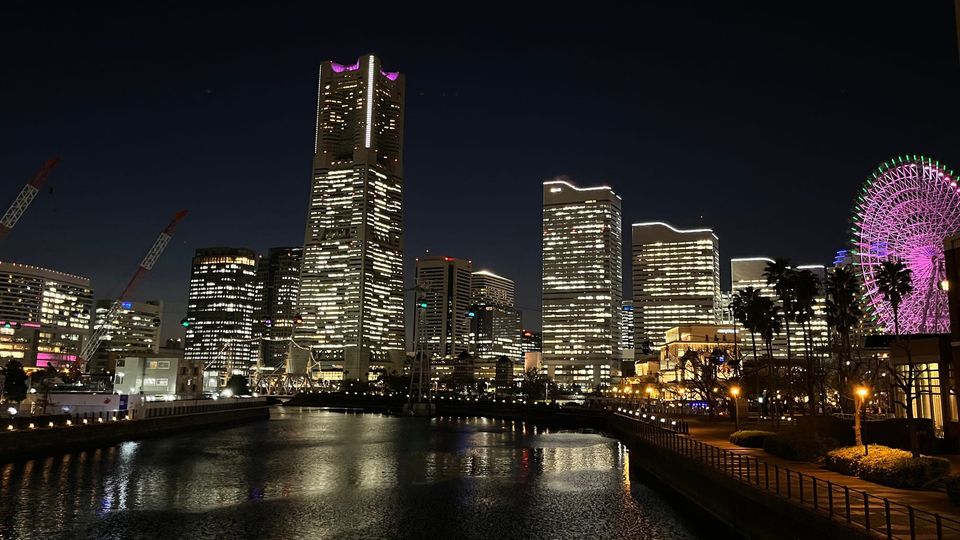
Photo: Justin Taylor / Wikimedia Commons (CC BY 2.0), cropped; displayed with a crop Yokohama Day Trip Itinerary from Tokyo: Afternoon to Night
Is Yokohama worth a day trip? A timed plan from Chinatown to Minato Mirai at night, a full-day version, and train fares from Shibuya: 920 yen round trip.
-
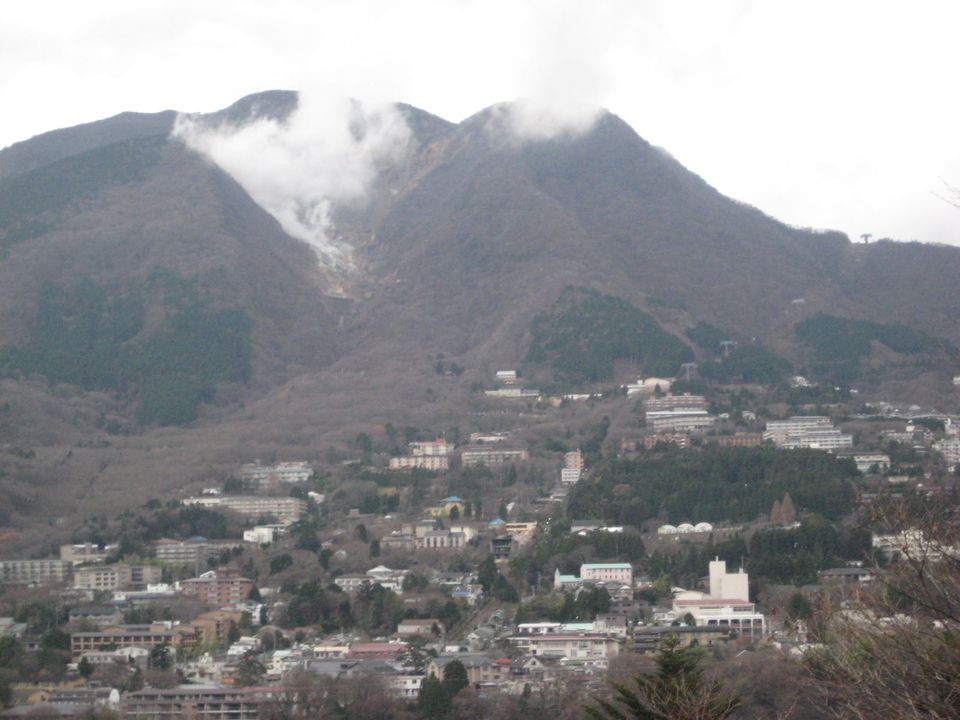
Photo: alonfloc (Panoramio user), via Wikimedia Commons / Wikimedia Commons (CC BY 3.0), displayed with a crop Hakone Day Trip or Overnight? Time and Cost Math to Decide
Day trip or one night in Hakone? Transport from Shinjuku is 9,500 yen either way. A night adds a morning ropeway, a museum and an onsen evening.
-
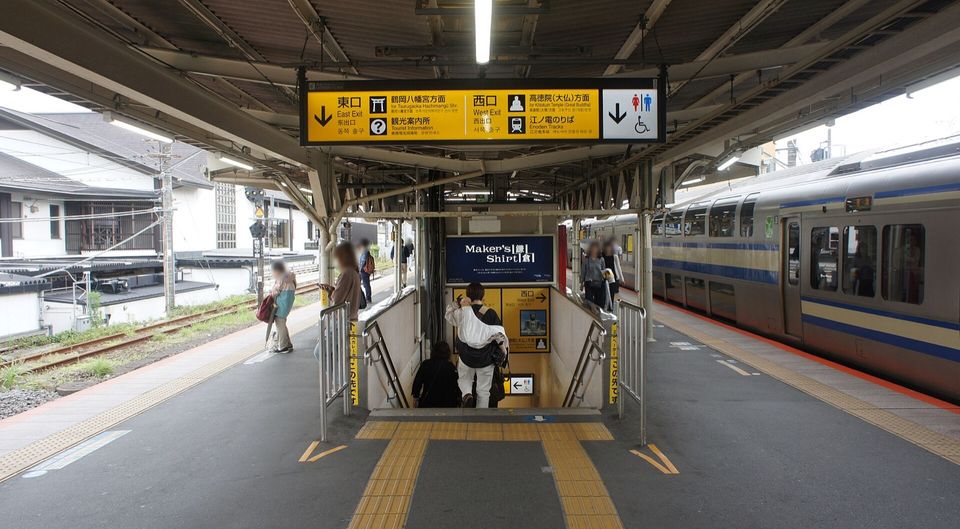
Photo: Mister0124 / Wikimedia Commons (CC BY-SA 4.0), displayed with a crop Kamakura and Yokohama in One Day: Route, Order and Timing
Kamakura's Great Buddha in the morning, Yokohama Chinatown and Minato Mirai by night: the order that works, the direct JR train between them, and a timed plan.
FAQ
Kamakura or Hakone: which is better for a first day trip from Tokyo?
Choose Kamakura for temples, the Great Buddha and the sea, at a low transport cost (the Enoshima-Kamakura Freepass is 1,640 yen from Shinjuku). Choose Hakone for mountain scenery, hot springs and a chance to see Mt Fuji. A Hakone day trip is longer (11 to 12 hours) and costs more (about 9,500 yen with the Freepass and the Romancecar both ways), as of October 2026.
Kamakura or Yokohama?
Kamakura is a daytime trip built around temples and shrines that close around 4:00 to 5:00 p.m. Yokohama is a city trip built around Chinatown, the waterfront and the night skyline, and it works as an afternoon and evening. If you can't choose, do both in one day: the JR Yokosuka Line runs from Tokyo through Yokohama to Kamakura without a change.
What is the cheapest of the three?
Yokohama. From Shibuya, the Tokyu Line Minatomirai Pass costs 920 yen for the round trip plus unlimited Minatomirai Line rides for the day. For Kamakura, the Enoshima-Kamakura Freepass from Shinjuku costs 1,640 yen. Hakone is the most expensive: the 2-day Hakone Freepass from Shinjuku costs 7,100 yen. All prices are adult fares as of October 2026.
Which day trip is best on a rainy day?
Yokohama. The Red Brick Warehouse and the Cup Noodles Museum are indoors. In Hakone, rain or low cloud limits the views, and the ropeway stops in strong wind or thunder. Kamakura's main sights, such as the Great Buddha, are outdoors.
Should I stay overnight in Hakone instead of doing a day trip?
Stay a night if you want a morning ropeway ride for Mt Fuji, a museum, or a ryokan with an onsen. With the 2-day Hakone Freepass and the Romancecar both ways, transport from Shinjuku costs the same 9,500 yen whether you go for a day or stay a night, so the room is the only real extra.
Sources
Prices and opening hours on this page were checked on each official site on the dates below and can change.
- Access: about one hour from central Tokyo (Kamakura City Tourist Association, Japanese) (checked )
- Tokyo Station timetables: Yokosuka Line departures and platforms (JR East) (checked )
- Enoshima-Kamakura Freepass (Odakyu) (checked )
- Romancecar fares and Odakyu fares, Shinjuku to Katase-Enoshima and Fujisawa (Odakyu, Japanese) (checked )
- Enoden fares and travel times (Enoshima Electric Railway, Japanese) (checked )
- Kotoku-in (Great Buddha of Kamakura): hours and admission (official) (checked )
- Hasedera: visitor guide, hours and admission (official) (checked )
- Kamakura City Tourist Association: Autumn leaves in Kamakura (usual peak period) (checked )
- Hakone Freepass: prices and coverage (Odakyu) (checked )
- Limited Express Romancecar: travel time and fees (Odakyu) (checked )
- Real-time operation status (Hakone Navi) (checked )
- Hakone Ropeway: hours (Hakone Navi, Japanese) (checked )
- FAQ: Mt Fuji views by season from the ropeway (Hakone Navi, Japanese) (checked )
- Hakone Ropeway inspection closures, Dec 2026 to Feb 2027 (Odakyu Hakone, Japanese PDF) (checked )
- Minatomirai Line stops and travel times to Shibuya (Yokohama Minatomirai Railway, Japanese) (checked )
- Tokyu Line Minatomirai Pass (Tokyu, Japanese) (checked )
- Tokyu Line Minatomirai Pass prices by station (Tokyu, Japanese PDF) (checked )
- Yokohama Red Brick Warehouse: opening hours (Yokohama Red Brick Warehouse, Japanese) (checked )
- CUPNOODLES MUSEUM YOKOHAMA: hours and admission (checked )