Hakone Day Trip or Overnight? Time and Cost Math to Decide
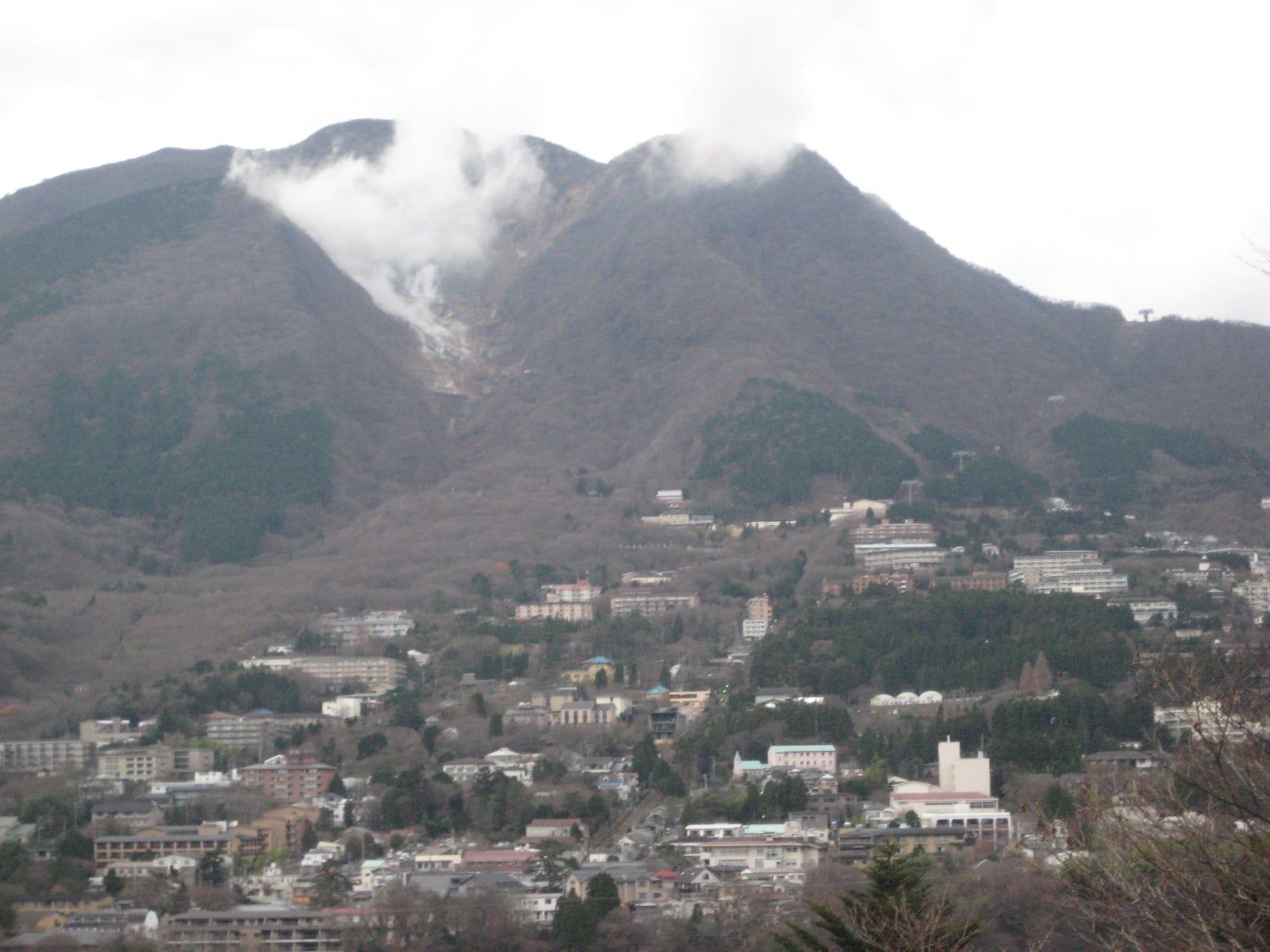
Should you do Hakone as a day trip or stay overnight? If you have one free day and mainly want the classic Hakone loop, a day trip from Tokyo works. If you want a good chance of a morning Mt Fuji view, a museum, or an evening at an onsen, stay one night. The surprise is the cost: with the 2-day Hakone Freepass, transport from Shinjuku costs the same 9,500 yen either way, so the only real extra is your room.
All figures below come from official sources, checked on October 9, 2026.
Quick answer
- Day trip: about 8 to 9 hours in Hakone. Enough for the full loop (train, cable car, ropeway, boat, bus), not for museums or a long onsen stay as well.
- One night: about a day and a half. Adds a museum or Gora on day 1, an onsen evening, and a 9:00 a.m. ropeway ride on day 2.
- Transport from Shinjuku: 9,500 yen in both cases (2-day Freepass 7,100 yen plus Romancecar seats 2,400 yen), as of October 2026.
- Extra cost of staying: your room, plus an onsen tax of 150 yen per person per night.
Short answer: who should do what
| Your situation | Day trip | One night |
|---|---|---|
| Only one free day in your Tokyo schedule | ✓ | |
| Tight budget, no room to pay for | ✓ | |
| First visit, main goal is the Owakudani and Lake Ashi loop | ✓ | ✓ (more relaxed) |
| Mt Fuji is the main reason you’re going | ✓ (two chances, including a morning ropeway ride) | |
| You want a ryokan, dinner and an onsen evening | ✓ | |
| You want the loop and a museum such as the Open-Air Museum | ✓ | |
| Traveling in December or January (ropeway closes at 4:15 p.m.) | Possible, tight | ✓ |
| Traveling with small children or at a slow pace | ✓ | |
| Moving on to Kyoto or Osaka with big luggage | ✓ (send bags with the Carry Service) |
If you tick both columns, ask one question: do you have a night to spare? Transport costs the same, so a night only adds the room.
What fits in one day (and what doesn’t)
The day-trip plan in Hakone day trip itinerary from Tokyo leaves Shinjuku around 8:00 a.m. and reaches Hakone-Yumoto around 9:30 a.m. by Romancecar (about 80 minutes). Coming back, Romancecars leaving Hakone-Yumoto between about 5:15 and 6:45 p.m. reach Shinjuku between about 6:45 and 8:10 p.m. That gives you about 8 to 9 hours in Hakone.
Here’s how much of that is spent riding, using the operators’ official travel times:
| Ride | Official travel time |
|---|---|
| Hakone Tozan train, Hakone-Yumoto to Gora | about 40 min |
| Cable car, Gora to Sounzan | about 10 min |
| Ropeway, Sounzan to Owakudani | about 10 min |
| Ropeway, Owakudani to Togendai (via Ubako) | about 20 min |
| Sightseeing cruise, Togendai to Moto-Hakone-ko | about 25 to 40 min |
| Bus, Moto-Hakone-ko to Hakone-Yumoto | about 30 min (R route) or 40 min (H route) |
| Total riding | about 2 hours 15 min to 2 hours 40 min |
Add transfers and waiting for boats and buses, and you have roughly 5 hours left for stops.
What fits: lunch and the viewpoints at Owakudani, Hakone Shrine near Moto-Hakone-ko, and a short day-use onsen or shopping at Hakone-Yumoto before the train home.
What doesn’t fit easily:
- A museum on top of the loop. The Hakone Open-Air Museum, one stop before Gora on the Hakone Tozan train, is open 9:00 a.m. to 5:00 p.m. (last entry 30 minutes before closing). Adding a visit means arriving at the ropeway later, and the ropeway runs only until 5:00 p.m. (4:15 p.m. in December and January).
- A long onsen stay. You can fit a soak at the end, but not an evening.
- A second try at Mt Fuji. Hakone Navi says Mt Fuji is easiest to see in the morning in summer, because clouds build up as the day warms. On a day trip, you get one pass on the ropeway, around late morning.
Last departures that set the day-trip limit
| Ride | Last service (official, as of October 2026) |
|---|---|
| Hakone Ropeway | 5:00 p.m. (February to November), 4:15 p.m. (December and January) |
| Bus, Moto-Hakone-ko to Hakone-Yumoto (H route) | 8:03 p.m. |
| Romancecar, Hakone-Yumoto to Shinjuku | Just before 8:00 p.m. |
The ropeway is the real limit. If you start late, you lose the middle of the loop, not the end.
What an overnight stay adds
1. A morning on the ropeway
The Hakone Ropeway opens at 9:00 a.m. all year. On a day trip from Tokyo, you can’t be there that early. If you sleep in Hakone, you can be on one of the first gondolas. Hakone Navi says Mt Fuji can be seen from the sections between Ubako and Owakudani and between Owakudani and Sounzan, that summer views are better in the morning, and that in winter the mountain is visible all day more often because of the cold. A night also gives you two days to try, so one cloudy day doesn’t end your chances. There are still no guarantees.
2. A relaxed loop
With a night, you can split the loop across two days instead of racing the 5:00 p.m. ropeway: train up to Gora on day 1, ropeway, boat and bus on day 2. The 2-day Freepass covers all of it at no extra cost (more below).
3. Time for a museum or Gora
An afternoon on day 1 is enough for the Hakone Open-Air Museum (adult entry 2,000 yen, or 1,900 yen with the Freepass, as of October 2026) or for the area around Gora, without cutting anything from the loop.
4. A ryokan dinner and onsen
This is the part a day trip can’t replace. At a lodging with a hot spring bath, you can soak in the evening and again in the morning. Many ryokan plans include dinner and breakfast, but not all, so check what your plan includes before booking. If you want a private bath, see LINK#8 Hakone ryokan with private onsen. If you have tattoos, check the lodging’s policy, or see LINK#11 Tattoo-friendly onsen in Hakone for day-use options.
Cost comparison: day trip vs one night
All prices are adult fares, as of October 2026.
| Cost | Day trip | One night |
|---|---|---|
| Hakone Freepass, 2-day, from Shinjuku | 7,100 yen | 7,100 yen (the same pass covers day 2) |
| Romancecar seats, both ways | 2,400 yen (2,300 yen online) | 2,400 yen (2,300 yen online) |
| Transport total | 9,500 yen | 9,500 yen |
| Onsen tax | 50 yen if you use a day-use onsen | 150 yen per night at lodgings with a hot spring |
| Luggage (optional) | — | Hakone Carry Service: 1,500 yen per normal-size bag each way |
| Lodging | — | Your room rate (see below) |
Why the transport cost is the same. Odakyu doesn’t sell a 1-day Hakone Freepass. The cheapest version is the 2-day pass, so on a day trip you pay for a second day you don’t use. If you stay one night, that second day of unlimited trains, cable car, ropeway, boats and buses comes at no extra cost. Odakyu says the 2-day pass is valid until the last train or bus on the day after the first day, so it isn’t 48 hours. The Shinjuku version includes one round trip between Shinjuku and Odawara on regular Odakyu trains. The Romancecar seat fee is always extra.
Staying two nights? The 3-day Freepass from Shinjuku costs 7,500 yen, only 400 yen more. The full fare math, including when the pass doesn’t pay off, is in Is the Hakone Freepass Worth It?.
Onsen tax. Hakone Town charges an onsen tax of 150 yen per person per night for overnight guests and 50 yen per person for day visitors. The facility collects it with your bill. Children under 12 are exempt.
What about the room? We don’t quote a typical price range for Hakone lodging. Rates change a lot by date, day of the week and room type, and we only state prices we can check on an official source. Compare live rates for your dates instead:
If the room price for your date feels worth an onsen evening and a morning ropeway ride, stay. If not, take the day trip.
A 2-day plan in brief
This uses the 2-day Freepass and the Romancecar. The times are a rough guide.
Day 1: Shinjuku to Hakone, museum or Gora, onsen evening
- Take a late-morning Romancecar from Shinjuku to Hakone-Yumoto (about 80 minutes).
- At Hakone-Yumoto Station, hand your bags to the Hakone Carry Service by 12:00 noon if your lodging is a partner. They’re delivered after 3:00 p.m.
- Take the Hakone Tozan train up toward Gora (about 40 minutes to Gora). Spend the afternoon at the Hakone Open-Air Museum (open until 5:00 p.m.) or around Gora.
- Check in, have dinner and use the bath.
Day 2: The Hakone loop from the morning
- Be at Sounzan for the ropeway soon after it opens at 9:00 a.m. From a Gora-area lodging, it’s one cable car ride (about 10 minutes).
- Stop at Owakudani, then ride on to Togendai.
- Cross Lake Ashi by sightseeing cruise to Moto-Hakone-ko (about 25 to 40 minutes), and visit Hakone Shrine.
- Take the bus back to Hakone-Yumoto (about 30 to 40 minutes). If you sent luggage, ask your lodging’s front desk by 10:00 a.m. that day, and pick it up at Hakone-Yumoto Station between 1:30 and 6:30 p.m.
- Romancecar back to Shinjuku. The last ones leave Hakone-Yumoto just before 8:00 p.m.
If you stay near Lake Ashi instead, run the loop the other way: boat and ropeway in the morning, train down in the afternoon. Hakone day trip itinerary from Tokyo explains the direction choice step by step.
Where to stay: Yumoto, Gora or Lake Ashi
Pick the area by how you’ll move, not by the hotel first. Individual properties are covered in LINK#8 Hakone ryokan with private onsen.
| Area | Good for | Things to know |
|---|---|---|
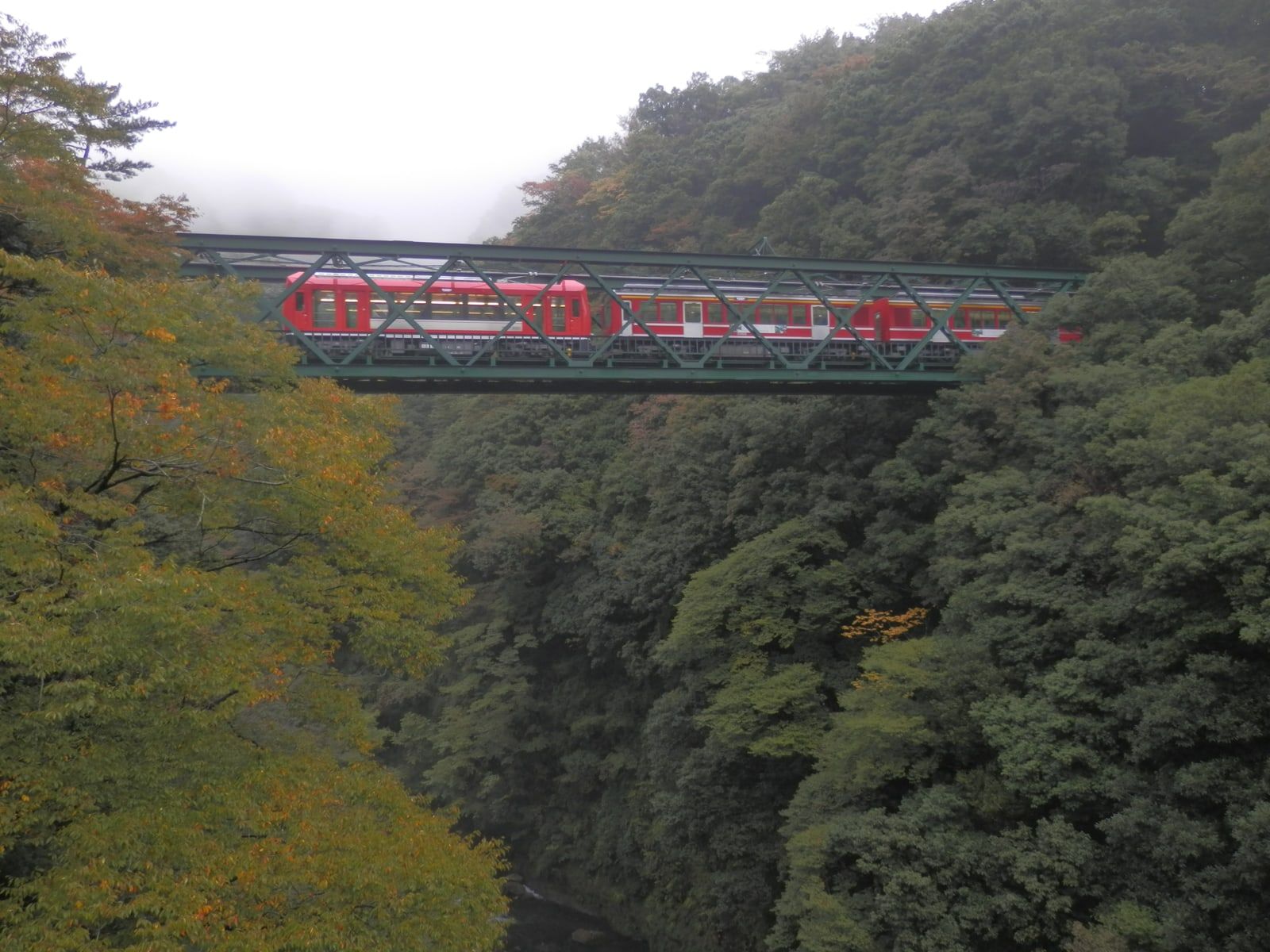
| Hakone-Yumoto | Short trips and easy arrivals: it’s where the Romancecar from Shinjuku ends | The Hakone Carry Service counter, the tourist information center and the bus stops are all at the station. It’s the farthest of the three from the ropeway (about 40 minutes by train to Gora, then the cable car). |
| Gora | An early start on the ropeway | Gora is the end of the Hakone Tozan train and the start of the cable car to Sounzan (about 10 minutes). The Open-Air Museum is one stop down the line. |
| Lake Ashi (Moto-Hakone, Hakone-machi, Togendai) | Lake views and Hakone Shrine; running the loop in the opposite direction | The bus from Hakone-Yumoto to Moto-Hakone-ko takes about 30 to 40 minutes. The Carry Service notes that in early January some lodgings around Lake Ashi can’t be served because of road traffic. |
Before booking, check whether the lodging is a Hakone Carry Service partner (if you’ll send bags) and what the plan includes (meals, bath type).
Before you decide: check the ropeway and boats
- On October 9, 2026, the official status page showed no suspension for the ropeway or the boats.
- Planned ropeway closures for inspection: Sounzan to Owakudani is closed from December 7 to 24, 2026, and Owakudani to Ubako to Togendai from January 12 to February 26, 2027. Replacement buses run on the closed section, and the Freepass covers them.
- Weather: the ropeway stops in strong wind and bad weather, and the boats can change route or cancel in thick fog or strong wind.
If your dates fall in a closure period, the overnight case gets stronger: you have two days to work around the replacement bus. Check the Hakone Navi real-time status page on the morning you travel. Book Romancecar seats on Odakyu’s Romancecar page, and buy the pass on Odakyu’s Freepass page. The Romancecar booking options are explained in LINK#17 Romancecar from Shinjuku to Hakone.
Related guides
- Hakone day trip itinerary from Tokyo
- Is the Hakone Freepass Worth It?
- LINK#8 Hakone ryokan with private onsen
- LINK#17 Romancecar from Shinjuku to Hakone
- LINK#11 Tattoo-friendly onsen in Hakone
FAQ
Is one night in Hakone enough?
For most first-time visitors, yes. One night gives you about a day and a half: an afternoon for a museum or Gora, an evening at your lodging, and a full second day for the Hakone loop starting when the ropeway opens at 9:00 a.m. Two nights only make sense if you want several museums, hiking or a slower pace. The 3-day Hakone Freepass from Shinjuku costs 7,500 yen, only 400 yen more than the 2-day pass.
Can I see Hakone as a day trip from Tokyo?
Yes. Leaving Shinjuku around 8:00 a.m. and returning in the evening gives you about 8 to 9 hours in Hakone, enough for the classic loop: train, cable car, ropeway over Owakudani, a boat across Lake Ashi and a bus back. It doesn't leave time for a museum or a long onsen stay as well.
Does the Hakone Freepass cover a second day?
Yes. The cheapest Hakone Freepass is a 2-day pass (7,100 yen from Shinjuku), so a one-night trip costs the same in transport as a day trip. Odakyu says the pass is valid until the last train or bus on the day after the first day, not for 48 hours. The Shinjuku version includes one round trip between Shinjuku and Odawara.
What do I do with my luggage if I stay overnight in Hakone?
The Hakone Carry Service at Hakone-Yumoto Station can send your bags to partner lodgings in Hakone. Drop them off by 12:00 noon on arrival day, and they arrive after 3:00 p.m. It costs 1,500 yen per normal-size bag each way, as of October 2026.
Is it cheaper to stay overnight in Hakone?
No, but the transport cost doesn't go up. A day trip and a one-night trip from Shinjuku both cost 9,500 yen with the 2-day Freepass and Romancecar seats both ways. The extra cost of staying is your room, plus Hakone's onsen tax of 150 yen per person per night if your lodging has a hot spring.
Sources
Prices and opening hours on this page were checked on each official site on the dates below and can change.
- Hakone Freepass: prices, coverage, validity, how to buy (Odakyu) (checked )
- Limited Express Romancecar: travel time, fees, timetable from March 14, 2026, booking (Odakyu) (checked )
- Romancecar fees and Odakyu fares, Shinjuku to Odawara and Hakone-Yumoto (Odakyu, Japanese) (checked )
- Hakone Freepass details and discount facility list (Hakone Navi) (checked )
- Hakone Tozan train and cable car: travel times and fare table (Hakone Navi, Japanese) (checked )
- Hakone Ropeway: hours, frequency, travel time (Hakone Navi, Japanese) (checked )
- Hakone Sightseeing Cruise: travel time and fares (Hakone Navi, Japanese) (checked )
- FAQ: ropeway section times, Mt Fuji views by season, boat timings (Hakone Navi, Japanese) (checked )
- Moto-Hakone-ko bus stop timetable, H route to Hakone-Yumoto (Hakone Tozan Bus, PDF) (checked )
- Real-time operation status (Hakone Navi) (checked )
- Hakone Ropeway inspection closures and replacement buses, Dec 2026 to Feb 2027 (Odakyu Hakone, Japanese PDF) (checked )
- Hakone-Yumoto Station: platforms, bus stops, lockers, Hakone Carry Service (Hakone Navi, Japanese) (checked )
- Hakone Carry Service: hours and fees (Hakone Tozan Bus, Japanese) (checked )
- Gora Station: platforms, bus stops, luggage storage (Hakone Navi, Japanese) (checked )
- The Hakone Open-Air Museum: opening hours (checked )
- Onsen tax (nyuto-zei) rates (Hakone Town, Japanese) (checked )