Kamakura in Autumn and Winter: Leaf Timing, Hours, New Year
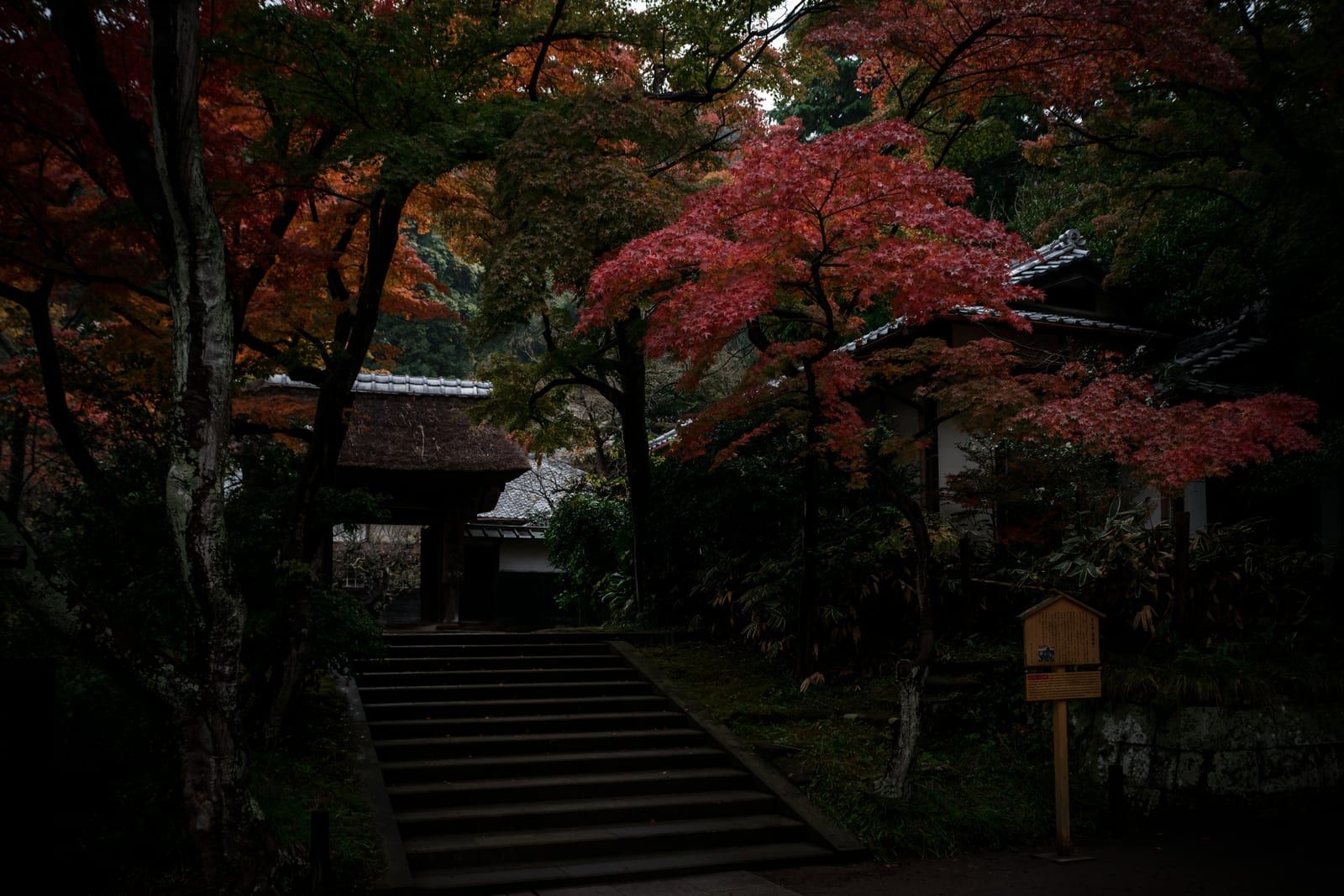
Kamakura’s autumn comes late. The Kamakura City Tourist Association says the leaves usually peak from late November to early December, later than in many other places. Then winter brings New Year crowds and shorter temple hours.
All facts below were checked on official pages on October 9, 2026.
Short answer: when should you go?
| If you want… | Go | Why |
|---|---|---|
| Autumn leaves at their usual peak | Late November to early December, on a weekday if you can | This is the official “usual” peak period |
| Early color | November, starting in Kita-Kamakura | The tourist association says the color starts around Kita-Kamakura Station |
| Leaves after dark | On the dates of a temple’s evening opening | Hasedera and Kakuonji held evening openings in 2025. Check their 2026 dates first |
| Hatsumode (first shrine visit of the year) | January 1 to 3, by train | The busiest days of the winter. Roads near Kamakura Station close to cars |
| A winter day trip with lighter traffic | Weekdays in January and February, avoiding the Coming of Age Day weekend | The city’s data flags that weekend for heavy traffic. Temples close around 4:00 to 5:00 p.m. |
The peak changes every year, so treat these as the usual period, not a forecast.
When the leaves peak
The Kamakura City Tourist Association gives these points (page updated January 23, 2026):
- Kamakura’s leaves turn later than in other areas.
- The color starts around Kita-Kamakura Station in November.
- Across the city, the peak is usually late November to early December.
The association’s listing for Hasedera’s 2025 night opening gives the temple’s usual peak as late November to mid-December.
In practice, this means:
- In early and mid-November, start in Kita-Kamakura, where the color starts first.
- From late November, any of the four areas below can work.
- For a mid-December trip, Hase is the one area with an official note that its color can last into mid-December.
Where to see the leaves, by area
The tourist association groups its autumn leaf spots into four areas. Visiting one or two areas in a day is realistic, because temples close early in winter.
| Area | Leaf spots named by the tourist association | Nearest station |
|---|---|---|
| Kita-Kamakura | Engakuji, Jochiji, Meigetsuin, Chojuji, Kenchoji | JR Kita-Kamakura |
| Kamakura Station area | Tsurugaoka Hachimangu, Genjiyama Park, Eishoji, Kaizoji, Jokomyoji | JR or Enoden Kamakura |
| Kanazawa-kaido (east) | Kakuonji, Zuisenji, Hokokuji, Jomyoji, Sugimotoji, Kamakura-gu | Bus from Kamakura Station |
| Hase | Hasedera, Kosokuji, Kotoku-in (the Great Buddha) | Enoden Hase |
Hours and fees at the main stops
| Place | Hours (autumn and winter) | Adult | Child |
|---|---|---|---|
| Engakuji | Mar–Nov 8:30 a.m.–4:30 p.m.; Dec–Feb 8:30 a.m.–4:00 p.m. | 500 yen | 200 yen (elementary and junior high) |
| Kenchoji | 8:30 a.m.–4:30 p.m. | 500 yen (cash only) | 200 yen (elementary and junior high) |
| Meigetsuin | 9:00 a.m.–4:00 p.m. | 500 yen | 300 yen (elementary and junior high) |
| Meigetsuin rear garden | Opens only in the autumn leaf season (and the iris season) | +500 yen | — |
| Hasedera | July–March 8:00 a.m.–5:00 p.m. (last entry 4:30 p.m.) | 400 yen | 200 yen (ages 6–11) |
| Kotoku-in | Oct–Mar 8:00 a.m.–5:00 p.m. (entry until 4:45 p.m.) | 300 yen | 150 yen (ages 6–12); under 6 free |
| Inside the Great Buddha | 8:00 a.m.–4:30 p.m. | +50 yen per person |
A few notes:
- Engakuji says it may close in typhoons or snow.
- Meigetsuin: the rear garden behind the main hall is normally closed. It opens only in the iris season and the autumn leaf season. The tourist association lists the fee but not the dates, so check closer to the time.
- Tsurugaoka Hachimangu: the grounds are free. Normal hours are 6:00 a.m. to 8:00 p.m., as the shrine’s New Year notice gives them.
Fee math for a typical day
- Kita-Kamakura trio: Engakuji, Kenchoji and Meigetsuin cost 1,500 yen per adult, or 2,000 yen with Meigetsuin’s rear garden. For a child in elementary or junior high school, the three temples cost 700 yen.
- Hase pair: Hasedera and Kotoku-in cost 700 yen per adult, or 750 yen if you go inside the Great Buddha.
- Both areas in one day: temple fees come to 2,200–2,750 yen per adult. Add 400 yen for the Enoden from Kamakura to Hase and back. Train fares from Tokyo are extra; see How to get from Tokyo to Kamakura.
A sample order for a short winter day
Winter closing times decide the order:
- Arrive at Kita-Kamakura in the morning.
- Visit Engakuji (closes at 4:00 p.m. from December to February), then Meigetsuin and Kenchoji.
- Walk south to Tsurugaoka Hachimangu, which stays open until 8:00 p.m.
- Ride the Enoden 4 minutes to Hase.
- Visit Kotoku-in (entry until 4:45 p.m.) and Hasedera (last entry 4:30 p.m.).
Hase also fits into other trips, such as Kamakura and Enoshima day trip itinerary.
Night openings for the leaves
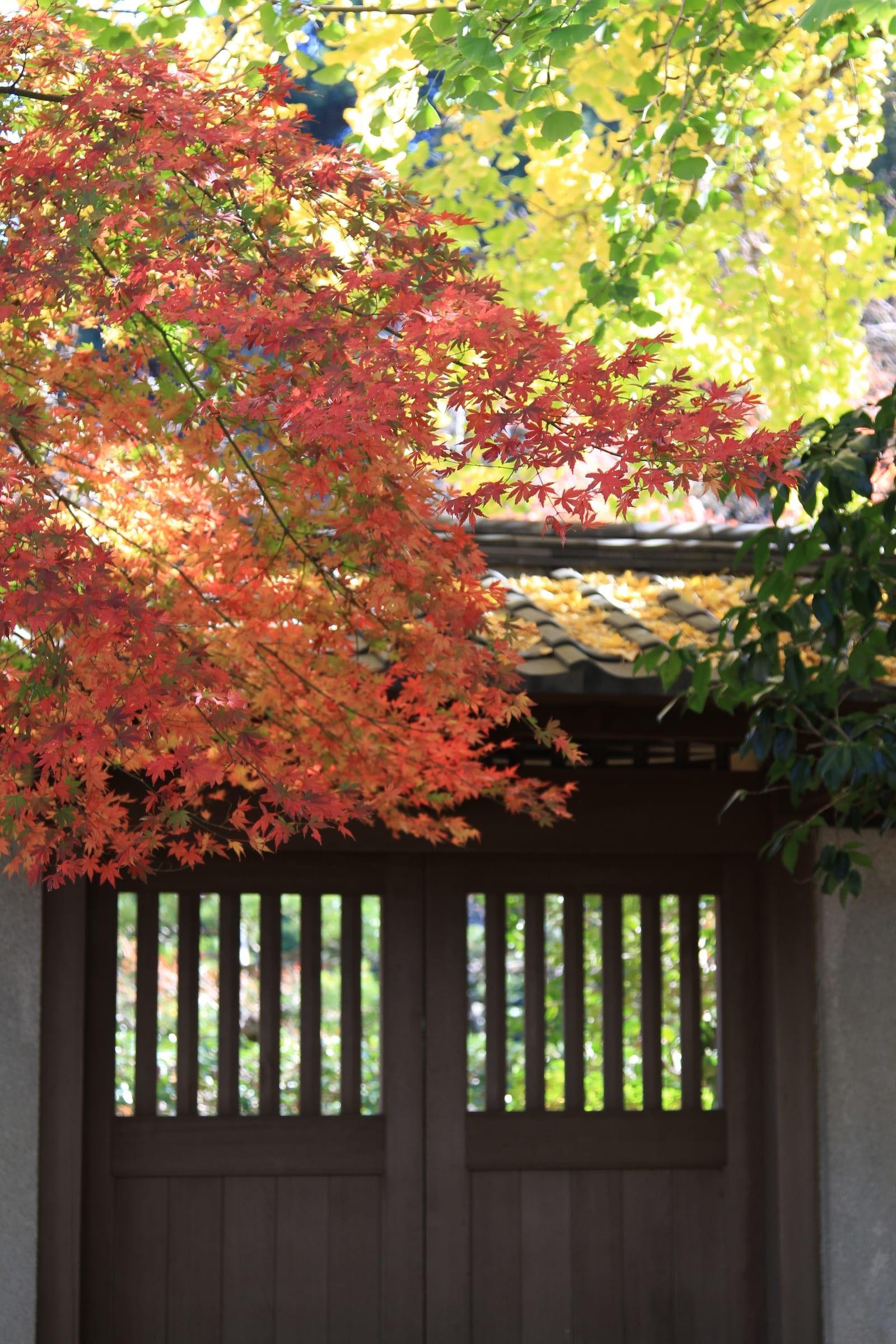
Two temples held evening openings for the leaves in 2025. The table shows those 2025 dates for reference only. When this guide was checked on October 9, 2026, Hasedera’s news page had no 2026 autumn notice, and the tourist association’s pages listed only the 2025 dates.
| Hasedera autumn night special visit | Kakuonji autumn leaves special visit | |
|---|---|---|
| 2025 dates | Nov 22 – Dec 7, 2025 | Nov 28 – Dec 10, 2025 |
| Hours | Sunset to 7:30 p.m. (reception until 7:00 p.m.) | Dusk to 7:00 p.m. (last entry 6:40 p.m.) |
| Fee | Adult 400 yen, elementary pupils 200 yen | Adult 500 yen, child 200 yen |
| Rules to know | No tripods on the paths; may be cancelled in bad weather | No photography inside the grounds |
Who each one suits:
- Hasedera suits a combined Hase visit. Its daytime last entry is 4:30 p.m. and the night opening starts at sunset, so you can see the Great Buddha first and come back.
- Kakuonji suits visitors who don’t need photos, since photography isn’t allowed inside the grounds.
- If you’ll also be on the coast after dark, see Enoshima at night.
Winter in Kamakura
After the leaves, there are three things to plan around in winter.
- Shorter hours. From December to February, Engakuji closes at 4:00 p.m., Meigetsuin at 4:00 p.m., Kenchoji at 4:30 p.m., and Hasedera and Kotoku-in at 5:00 p.m.
- Winter flowers. The tourist association’s Meigetsuin page lists narcissus, plum, witch hazel and wintersweet as the temple’s winter flowers.
- Clear-weather views. For views toward Mt Fuji from the coast, see Where to see Mt Fuji in Kamakura and Enoshima.
New Year: Hatsumode, hours and traffic rules
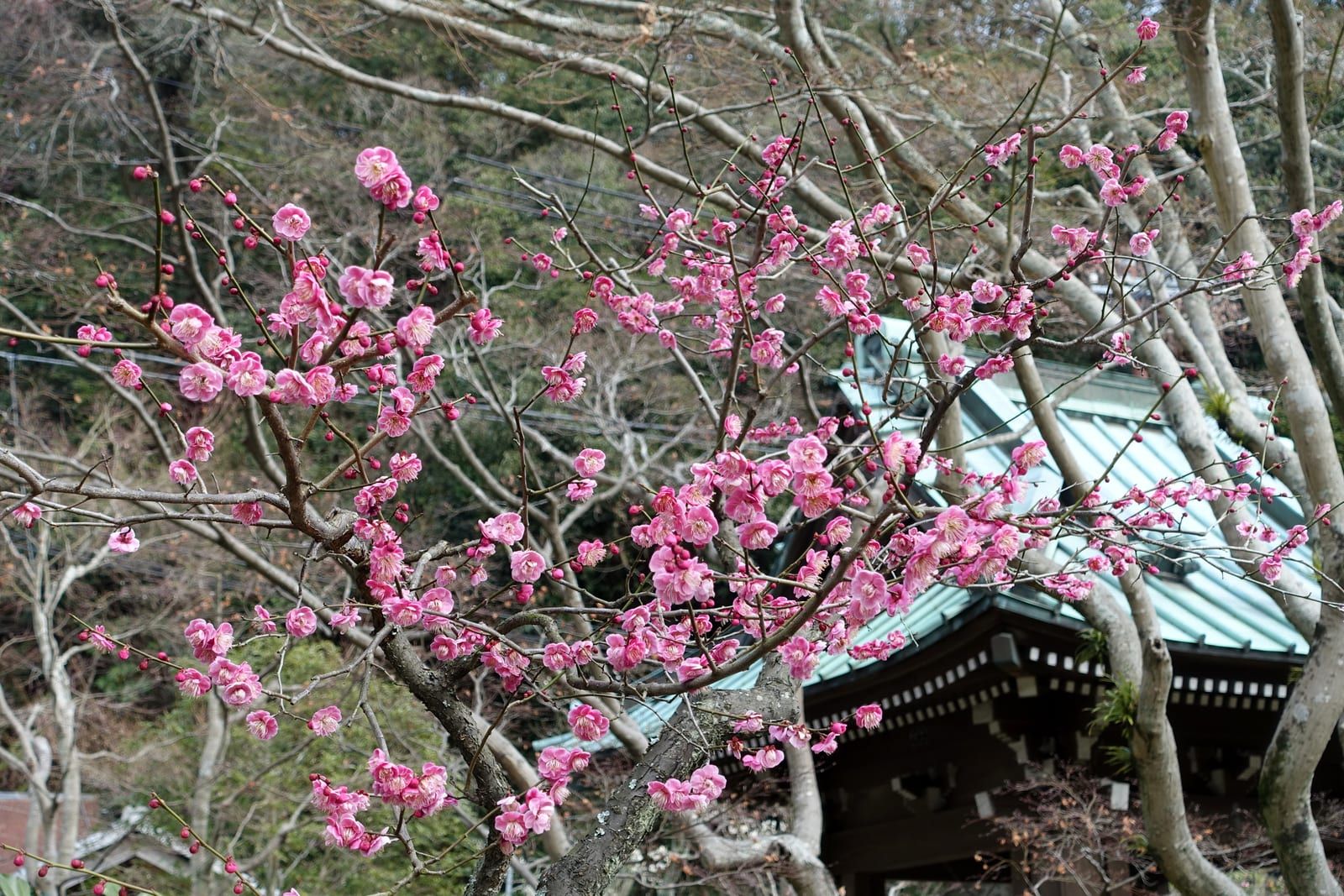
The days from December 31 to January 3 are the busiest of the winter. The 2026–27 details were not published when this guide was checked, so this section uses last season (2025–26) as the reference. The city rules in the first part repeat every year.
Traffic rules around Kamakura Station
Kamakura City asks Hatsumode visitors to use trains and buses. Its New Year page gives the usual road closures around Kamakura Station:
- December 31, 11:00 p.m. to January 1, 5:00 p.m.
- January 2 and 3, 9:00 a.m. to 5:00 p.m.
During these hours, the bus and taxi stops at Kamakura Station move. The Kanagawa Prefectural Police published the same windows for New Year 2026, with maps.
The city also notes that traffic jams are especially bad on the Coming of Age Day three-day weekend in January, the weekend after New Year. That weekend falls on January 9–11 in 2027.
Tsurugaoka Hachimangu New Year hours (last year’s schedule)
These are the hours for New Year 2025–26. The shrine had not announced its 2026–27 hours when this guide was checked on October 9, 2026.
- December 31 to January 3: open 24 hours.
- January 4: midnight to 8:00 p.m.
- From January 5: 6:00 a.m. to 8:00 p.m.
The shrine warns that:
- Police and guards may control foot traffic when it’s crowded.
- Pets should not be brought.
- Strollers cannot be carried up the main stone stairs at busy times.
- A live camera on its website shows the crowds in the grounds.
Temple hour changes at New Year (last year’s schedule)
The Kamakura City Tourist Association lists closures and changed hours each New Year. Last season’s list included the following:
| Temple | Change in 2025–26 |
|---|---|
| Engakuji | Free entry Dec 31 11:00 p.m. – Jan 1 4:00 p.m.; Shariden special opening Jan 1–3, 8:30 a.m.–about 4:00 p.m. (adult 300 yen, child 100 yen) |
| Kenchoji | Free entry Dec 31 4:30 p.m. – midnight and Jan 1 midnight – 4:30 p.m. |
| Hasedera | Reopened 11:00 p.m. Dec 31 until 8:00 a.m. Jan 1, free; New Year’s Eve bell-ringing required advance booking (closed Nov 30) |
| Kotoku-in | Jan 1, midnight – 5:00 p.m. (last entry 4:45 p.m.) |
| Meigetsuin | Dec 29 – Jan 3, closed at 2:30 p.m. (last entry 2:00 p.m.) |
| Hokokuji | Closed Dec 29 – Jan 3 |
| Eishoji | Closed Dec 30 – Jan 2 |
| Kakuonji | Closed Dec 20–31; main hall open Jan 1–7, 9:00 a.m.–4:00 p.m. (last entry 3:40 p.m.) |
If Hokokuji or Eishoji is on your list, plan it for another day.
Getting around and crowds
Enoden fare math
The Enoden links Kamakura with Hase and Enoshima. These are adult single fares from Enoden’s official fare table; child fares are half.
| Ride | Adult fare | Time |
|---|---|---|
| Kamakura – Hase | 200 yen | 4 min |
| Kamakura – Gokurakuji | 220 yen | 7 min |
| Hase – Enoshima | 260 yen | 19 min |
| Kamakura – Enoshima | 260 yen | 24 min |
| Enoshima – Fujisawa | 220 yen | 9 min |
| Kamakura – Fujisawa | 310 yen | 37 min |
The Noriorikun 1-day pass costs 800 yen for adults and 400 yen for children, and it is valid only on the day it is bought. Here is how it compares with single fares:
- Kamakura – Hase – Kamakura: 400 yen in single fares, so the pass doesn’t pay off.
- Kamakura – Hase – Enoshima – Fujisawa: 200 + 260 + 220 = 680 yen, still under 800 yen.
- The pass pays off only with four or more rides, or if you go back and forth along the line.
For the full comparison with the Enoshima-Kamakura Freepass and Suica, see Enoshima-Kamakura Freepass vs Enoden pass vs Suica. For riding tips and photo spots on the line, see Enoden guide.
Crowd tools and measures
- Kamakura Tourism Congestion Map (konzatsu-kamakura.jp): this map is linked from the tourist association’s site. It shows recent crowd levels for Komachi-dori, Wakamiya-oji, the Hase area, both exits of Kamakura Station, Kita-Kamakura, Yuigahama and the Jomyoji area. Use it on the day to choose which area to visit first.
- Enoden priority entry at Kamakura Station: this is a Golden Week measure run by Kamakura City, not an autumn or winter one. In 2026 it was scheduled for May 3–5, from noon to 4:00 p.m., to give line residents priority entry, and only if a queue formed outside the station. Don’t expect it in November or at New Year.
If you’d rather go with a guide
Planning trains, temple hours and crowds on your own takes work. A guided day tour from Tokyo handles the route and explains the history as you go. A tour’s stops are set by the tour, not by the leaf calendar, so check which temples it visits and its dates before you book. Pickup points, prices and what’s included are in How to get from Tokyo to Kamakura.
Related guides
-
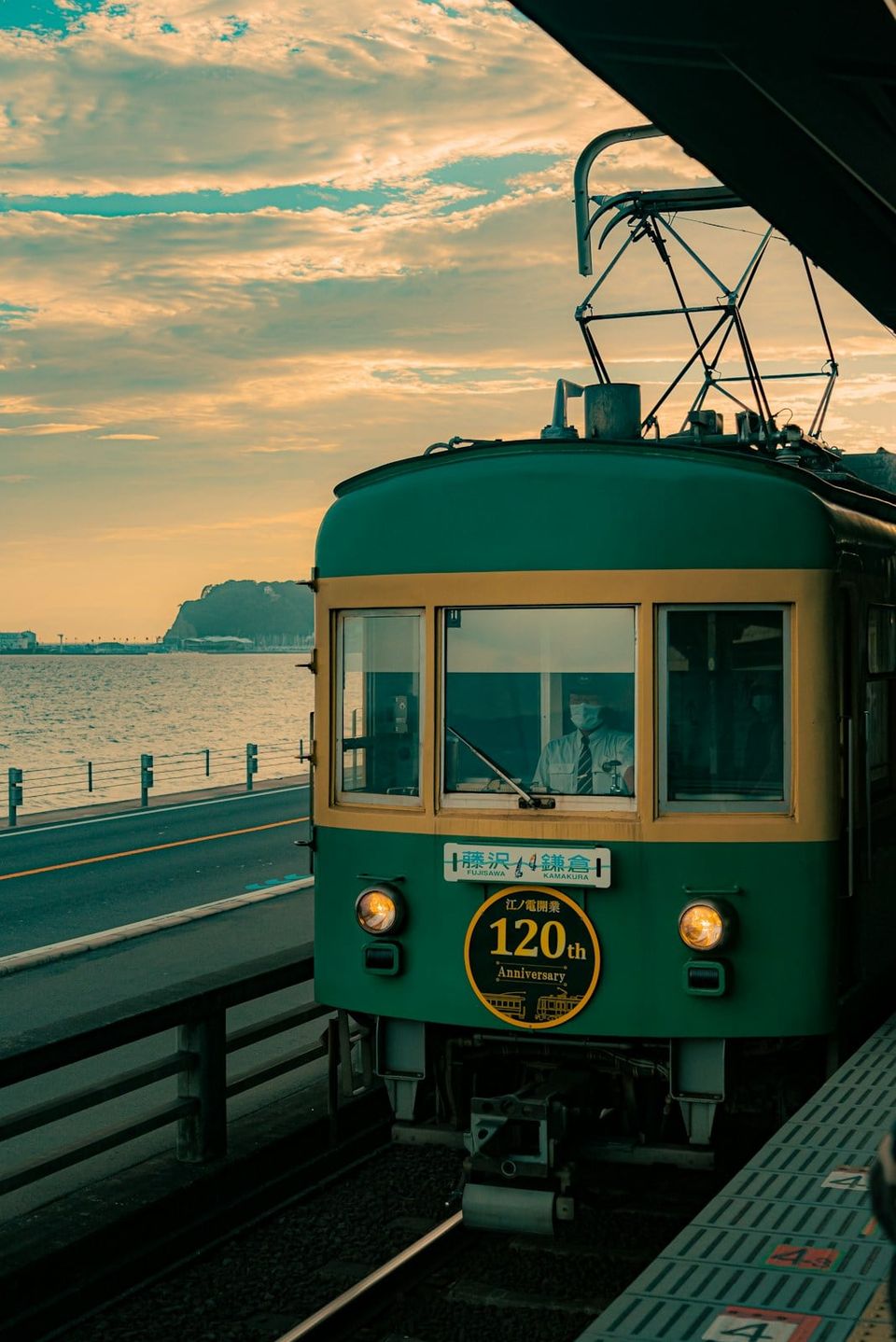
Photo: Tsukada Kazuhiro / Unsplash (Unsplash License), displayed with a crop Kamakura and Enoshima Day Trip Itinerary from Tokyo (One-Day Plan)
How to see Kamakura's Great Buddha, Hasedera and Enoshima in one day from Tokyo: the order that works, which pass to buy, and what it costs.
-
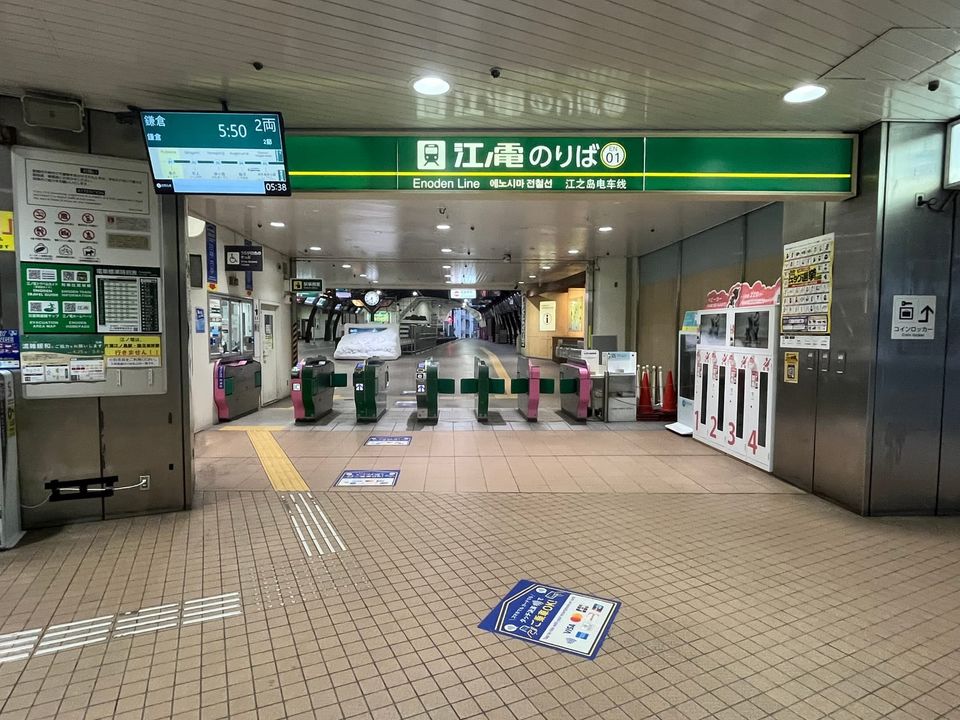
Photo: 延岡 / Wikimedia Commons (CC BY-SA 4.0), displayed with a crop How to Get from Tokyo to Kamakura: JR vs Odakyu, Time and Fare
The simplest ways to reach Kamakura from Tokyo Station, Shinagawa, Shinjuku and Shibuya, with real fares, travel times, and when the slower Odakyu route is the smarter pick.
-
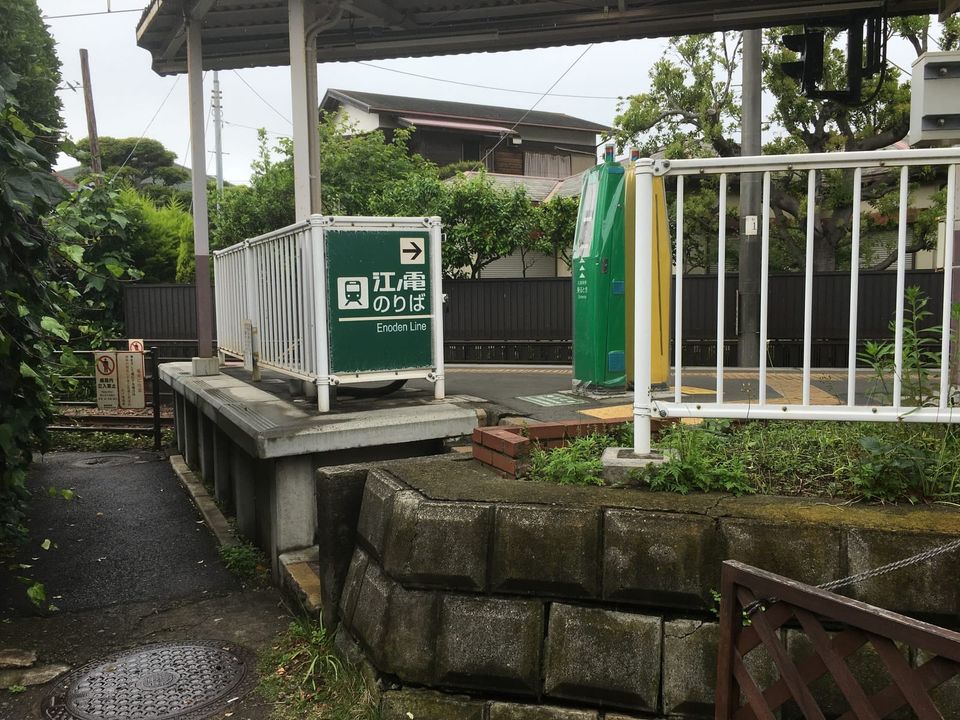
Photo: Nesnad / Wikimedia Commons (CC BY 4.0), displayed with a crop Enoshima-Kamakura Freepass vs Enoden Pass vs Suica: Which Saves Money?
Real fare math for a Kamakura and Enoshima day trip: when the 1,640-yen Freepass pays off, when the 800-yen Enoden pass does, and when plain Suica is cheaper.
-
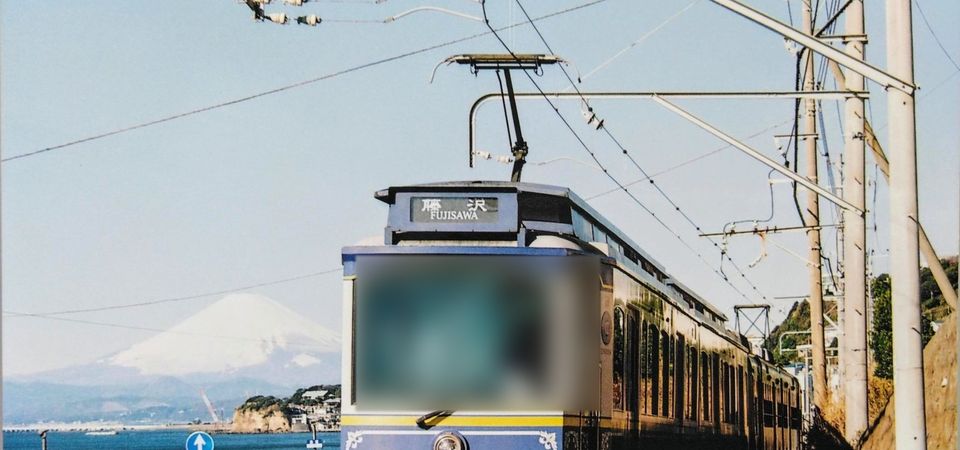
Photo: Kirin7739 / Wikimedia Commons (CC BY 4.0), cropped; displayed with a crop Enoden: Suica Works, Fares 200-310 Yen, No JR Pass
Yes, Suica works on the Enoden. Adult fares are 200, 220, 260 or 310 yen. The JR Pass does not. First train 5:20 a.m.; last full line 11:05 p.m.
-
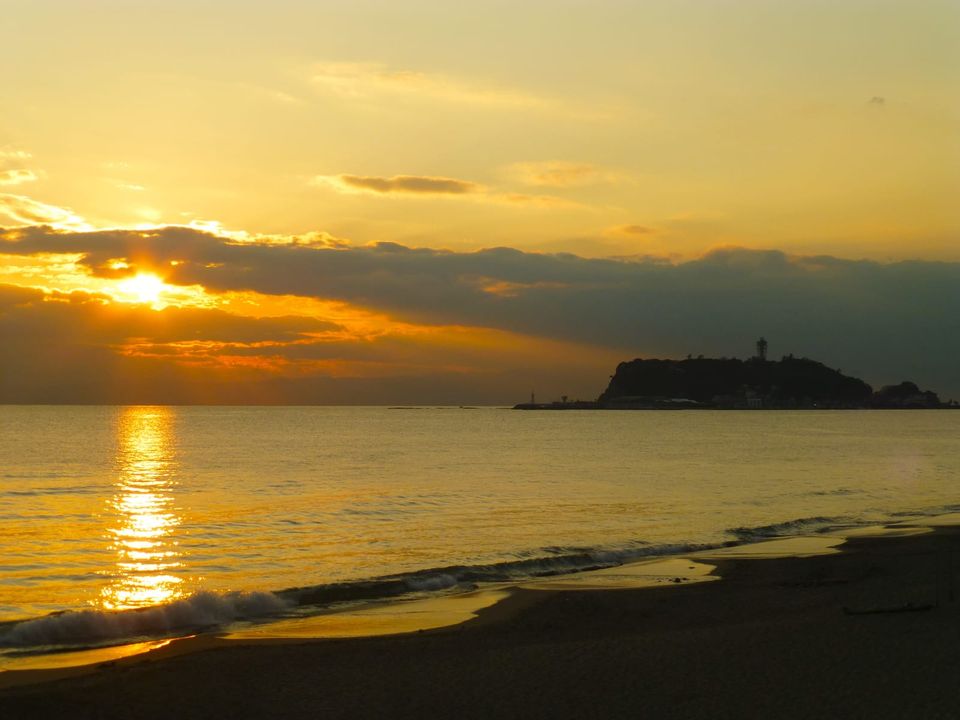
Photo: Nesnad / Wikimedia Commons (CC BY 3.0), displayed with a crop Enoshima at Night: Winter Illumination, Sunset, Last Trains
Enoshima's Shonan no Hoseki illumination runs Dec 1, 2026 to Feb 28, 2027. What's open after dark, night fees, sunset times and last trains back to Tokyo.
-
Mt Fuji from Kamakura and Enoshima: Where and When to Look
Can you see Mt Fuji from Kamakura? Yes, on clear days. Official viewpoints on the coast, Enoshima and temple hills, plus a live camera and Diamond Fuji dates.
-
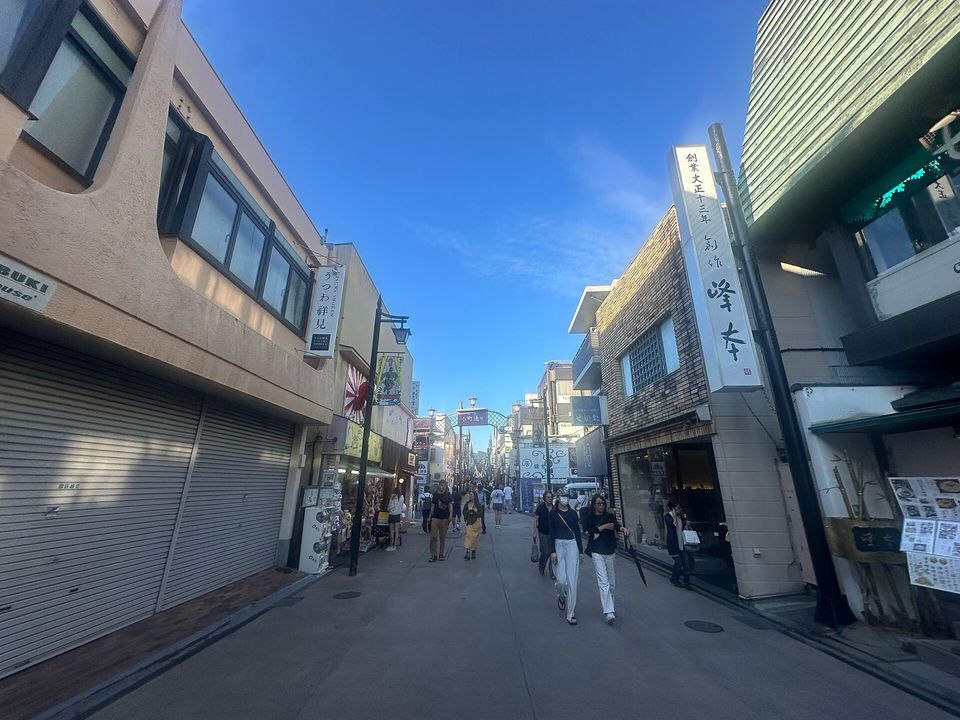
Photo: Nesnad / Wikimedia Commons (CC BY 4.0), displayed with a crop Kamakura Kimono Rental: VASARA vs Rikawafuku, Prices and Return Times
Renting a kimono in Kamakura: two shops near Kamakura Station compared on price, hair styling, return time and winter hours, plus how to fit Hase and the Great Buddha into a rental day.
FAQ
When do the autumn leaves peak in Kamakura?
Usually from late November to early December, according to the Kamakura City Tourist Association. Kamakura colors later than many other places. The leaves start turning around Kita-Kamakura Station in November. Hasedera's own event listing gives late November to mid-December. The exact peak changes every year.
Are there night illuminations for the autumn leaves in Kamakura?
In 2025 there were two evening openings. Hasedera opened from November 22 to December 7, 2025, from sunset to 7:30 p.m., for 400 yen. Kakuonji opened from November 28 to December 10, 2025, from dusk to 7:00 p.m., for 500 yen. Neither had posted 2026 dates when this guide was checked on October 9, 2026.
Is Kamakura worth visiting in winter?
Yes, if you plan around shorter hours. From December to February, Engakuji closes at 4:00 p.m., and most other major temples close between 4:00 and 5:00 p.m. Start early, and leave Hase (Hasedera and the Great Buddha) for last, because they stay open until 5:00 p.m.
Can I drive to Kamakura for Hatsumode on New Year's Day?
Driving is not a good idea. Kamakura City asks visitors to come by train or bus. Police close roads around Kamakura Station from 11:00 p.m. on December 31 to 5:00 p.m. on January 1, and from 9:00 a.m. to 5:00 p.m. on January 2 and 3. Bus and taxi stops at Kamakura Station also move during these hours.
Is Tsurugaoka Hachimangu open all night at New Year?
It was for New Year 2026. The shrine was open 24 hours from December 31 to January 3, from midnight to 8:00 p.m. on January 4, and from 6:00 a.m. to 8:00 p.m. from January 5. The 2026 notice was posted on December 21, 2025.
Sources
Prices and opening hours on this page were checked on each official site on the dates below and can change.
- Kamakura City Tourist Association: Autumn leaves in Kamakura 2025 (usual peak, spots, special openings) (checked )
- Kamakura City Tourist Association: Hasedera autumn night special visit 2025 (checked )
- Hasedera: visitor guide, hours and admission (official) (checked )
- Hasedera: news 2026 (official, Japanese) (checked )
- Kotoku-in (Great Buddha of Kamakura): hours and admission (official) (checked )
- Engakuji: visiting hours and admission (official, Japanese) (checked )
- Kenchoji: visiting hours and admission (official, Japanese) (checked )
- Kamakura City Tourist Association: Meigetsuin (hours, admission, rear garden) (checked )
- Tsurugaoka Hachimangu: New Year 2026 visiting hours (official, Japanese) (checked )
- Kamakura City Tourist Association: New Year 2025-26 temple closures and hour changes (checked )
- Kamakura City: New Year traffic restrictions (Japanese) (checked )
- Kanagawa Prefectural Police, Kamakura Station: New Year 2026 traffic restrictions (Japanese) (checked )
- Kamakura City: past congestion by time of day (New Year and Coming of Age Day weekend, Japanese) (checked )
- Kamakura City: Enoden Kamakura Station priority-entry experiment (Japanese) (checked )
- Kamakura Tourism Congestion Map (linked from the Kamakura City Tourist Association) (checked )
- Enoshima Electric Railway (Enoden): fares and travel times (Japanese) (checked )
- Enoshima Electric Railway (Enoden): 1-Day Pass Noriorikun (Japanese) (checked )