Hakone vs Kawaguchiko for Mt Fuji: Which Trip from Tokyo?
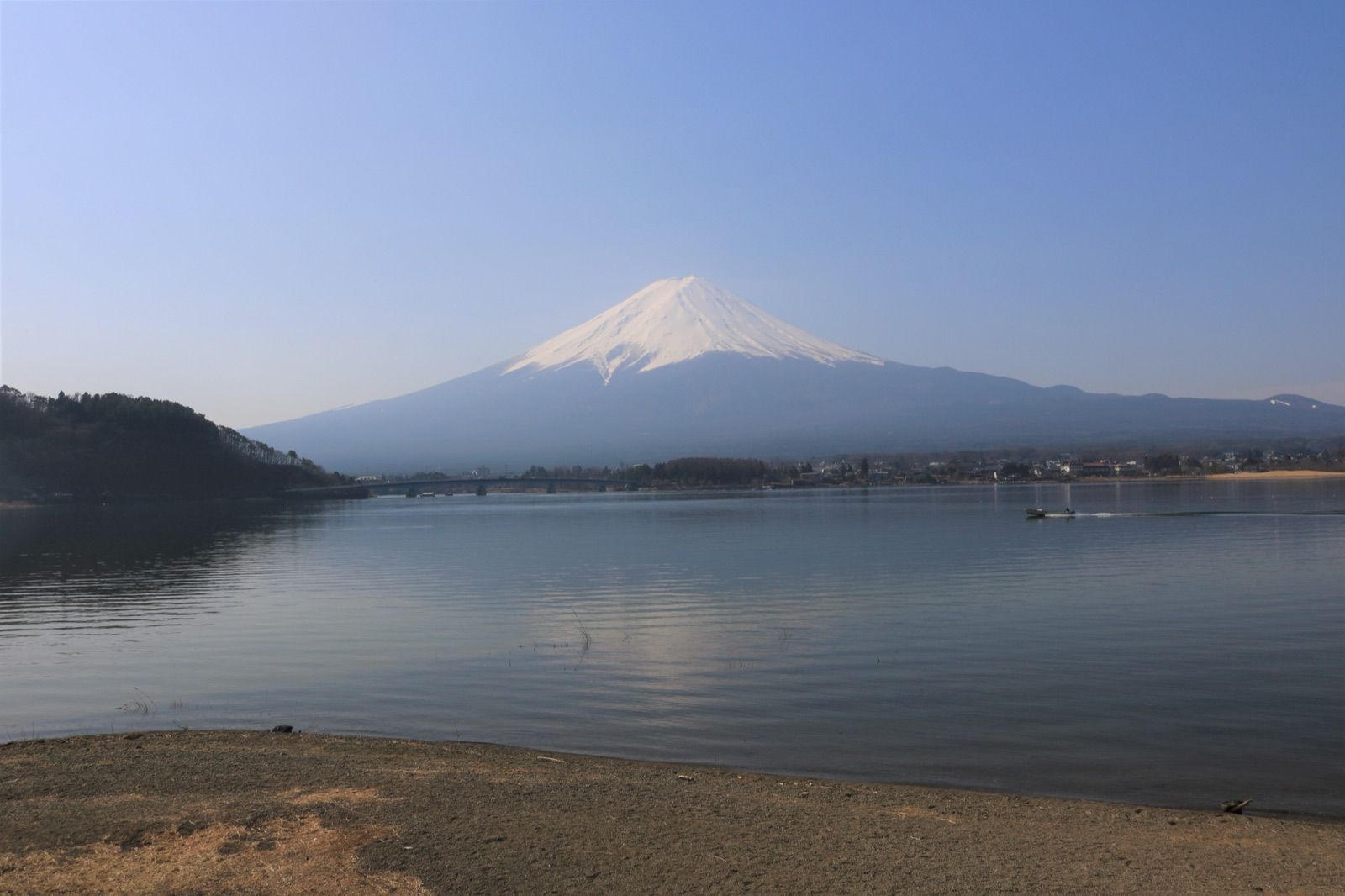
Short answer: If seeing Mt Fuji is the main reason for the trip, go to Kawaguchiko. The lake sits at the foot of the mountain, and Fujikawaguchiko Town’s landscape plan says Fuji can be seen from almost everywhere in town, with the north shore looking straight across the lake to it. Go to Hakone if you also want hot springs, the ropeway over Owakudani and the Lake Ashi boats. There, Fuji is a more distant view from a handful of high points and the lake. In both places the view depends on the weather on the day, and no official source publishes odds for either.
Hakone and Kawaguchiko are the two Fuji-area trips most people consider from Tokyo. They suit different days. This guide compares them on Fuji views, getting there, what fits in a day, onsen, winter, and whether you can combine them. It uses only official sources: the Hakone Town Tourist Association, Hakone Navi (run by the Odakyu group), Odakyu, Fujikyu Bus, Fujikawaguchiko Town and Fuji City.
Hakone vs Kawaguchiko at a glance
| Hakone | Kawaguchiko | |
|---|---|---|
| Fuji view | From specific high points and Lake Ashi; Fuji is farther away | From the lakeshore and hills around the lake, at the foot of the mountain |
| From Shinjuku | Romancecar to Hakone-Yumoto, about 80 minutes | Fujikyu highway bus to Kawaguchiko Station, about 1 hour 45 minutes (traffic dependent) |
| Getting around | Train, cable car, ropeway, boat and bus loop | Fujikyu sightseeing buses from Kawaguchiko Station |
| Main pass | Hakone Freepass, 7,100 yen from Shinjuku (2 days) | Sightseeing bus pass, 1,500 yen (1 day) |
| Onsen | A large onsen area; see our ryokan and tattoo-friendly guides | Kawaguchiko Onsen, with 22 member hotels and ryokan |
| Best if | You want Fuji as a bonus on a varied day | Fuji is the whole point |
Prices are for adults, as of October 27, 2026.
Mt Fuji views compared
Hakone: high points and the lake
The Hakone Town Tourist Association lists eight Fuji view spots. These three fit a normal day trip by public transport:
- Owakudani and the Hakone Ropeway. Hakone Navi says Fuji can be seen on the ropeway between Ubako and Owakudani and between Owakudani and Sounzan, and from Owakudani itself on clear days. The tourist association gives a 10-minute walk from Owakudani Station to the volcanic vents. For timings and the full loop, see our Hakone day trip itinerary.
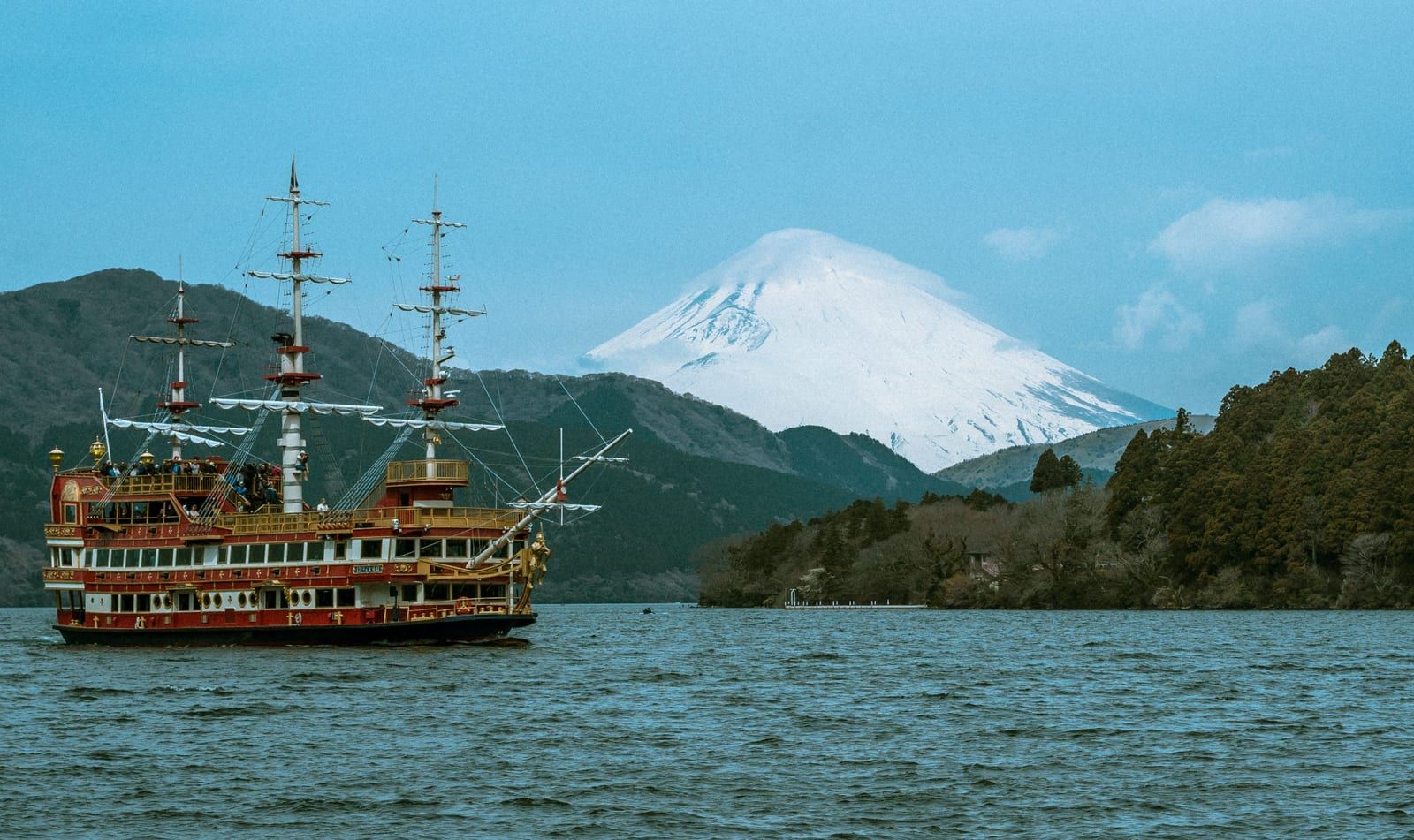
- Moto-Hakone and Lake Ashi. Moto-Hakone, on the lake’s south shore, is on the tourist association’s list. It’s a Hakone Tozan Bus ride from Hakone-Yumoto to Moto-Hakone-ko. Hakone Navi says the sightseeing boats pass a point where Fuji, the red torii gate of Hakone Shrine and the lake line up in one view.
- Komagatake. The Komagatake Ropeway climbs from Hakone-en on Lake Ashi to the summit in about 7 minutes. Its operator, Prince Hotels, says the summit deck looks out over Lake Ashi to Mt Fuji and Sagami Bay. The tourist association gives an 8-minute walk from the summit station to the top. A round trip costs 2,200 yen for adults, and the last ride up is at 4:30 p.m.
The other spots on the list are mostly hikes or drives: Kintokiyama (about an hour and 25 minutes on foot from the nearest bus stop), Otome Pass, the Hakone Skyline, the Ashinoko Skyline at Mikuni Pass, and Taikanzan on the Hakone Turnpike.
Hakone Navi says that in summer Fuji is easiest to see in the morning, before clouds build up as the day warms, and that in winter it’s visible all day more often. On a day trip from Tokyo you usually reach the ropeway in late morning. A night in Hakone gives you an early ride the next day; see Hakone: day trip or overnight?.
Kawaguchiko: across the lake
Fujikawaguchiko Town’s landscape plan calls Mt Fuji the town’s symbol and says it can be seen from almost everywhere in town. For Lake Kawaguchi, the plan singles out the north shore for its views of Fuji across the water. Viewpoints it names around the lake include:
- Funatsu and Asakawa (east side): Ubuyagasaki, the Tenjoyama observation deck and the Kawaguchiko Ohashi bridge
- Kawaguchi (north shore): the lakeside promenade, plus Misaka Pass, Tenka Chaya and Mt Mitsutoge in the hills behind
- Oishi (north shore): the area around Oishi Park and the Oishi Nature Center (Oishi Shizen Seikatsukan)
To get around without a car, Fujikyu runs three sightseeing bus lines from Kawaguchiko Station. The Red Line circles the north shore and stops at Oishi Park. A 1-day pass for all three lines costs 1,500 yen for adults, or 2,000 yen for 2 days, sold at the Kawaguchiko Station bus counter, on board (1-day pass only) and online. Fujikyu notes that traffic can cause delays.
We don’t describe Kawaguchiko viewpoints in more detail than the town’s plan does, and no official source ranks them.
Getting there from Tokyo
Hakone. Take the Odakyu Romancecar from Shinjuku to Hakone-Yumoto. Odakyu says it takes about 80 minutes. The Hakone Freepass from Shinjuku costs 7,100 yen for 2 days and covers the regular Odakyu fare plus transport around Hakone. The Romancecar seat is 1,200 yen extra each way, so a round trip with the pass comes to 9,500 yen. For booking and seats, see our Romancecar guide; for whether the pass pays off, see Is the Hakone Freepass worth it?
If you plan to use the pass, the digital version can also be booked through Klook.
Kawaguchiko. The Fuji Excursion train from Shinjuku is the other option; we compare it with the bus in Tokyo to Kawaguchiko: train vs bus. For the bus, take the Fujikyu highway bus from Busta Shinjuku, the highway bus terminal on the 4th floor, directly connected to Shinjuku Station’s South Exit. Fujikyu Bus gives these details:
- Time: about 1 hour 45 minutes to Kawaguchiko Station, depending on traffic.
- Fare: from 2,200 yen for adults; 2,000 yen to Kawaguchiko Station if you book and pay on the web. Children pay half.
- Booking: all seats are reserved. Booking opens on the same date one month ahead and closes 10 minutes before departure.
- Delays: if the bus arrives late because of traffic, the fare isn’t refunded.
What fits in a day
Hakone works as a day trip if you follow the classic loop: train and cable car up, the ropeway over Owakudani, a boat across Lake Ashi, and a bus back. Our Hakone day trip itinerary takes 11 to 12 hours door to door from Shinjuku and puts you on the ropeway around late morning. The loop is the day; there’s little time left for museums or a long soak.
Kawaguchiko is a simpler day: the bus there, the sightseeing buses or a walk around the lake, and the bus back. Because the highway bus depends on traffic, leave slack in the afternoon if you have a fixed evening in Tokyo.
If you’d rather not plan the buses, Klook sells guided day tours from Tokyo that stop at Lake Kawaguchi and other Fuji viewpoints. A tour can’t clear the clouds either, so check the forecast before you book.
Onsen and staying over
Hakone’s other big draw is its hot springs, and staying a night adds an evening soak and a second morning for Fuji. For rooms with their own baths, see Hakone ryokan with a private onsen. If you have tattoos, see tattoo-friendly onsen in Hakone. For carrying bags between Tokyo, Hakone and onward, see Hakone with luggage.
Kawaguchiko has its own hot spring resort: the Kawaguchiko Onsen Ryokan Cooperative lists 22 member hotels and ryokan around the lake.
Hotel listings for Hakone are on Trip.com.
Hotel listings for Fujikawaguchiko are on Trip.com.
Winter
Winter is when Fuji tends to show most, in both places:
- Fuji City data (not Hakone or Kawaguchiko): Fuji City in Shizuoka has recorded Fuji’s visibility at 8:00 a.m. every day for 35 years. Its 2025 report shows the mountain is seen more often from autumn to spring and less often in summer. Treat this as a general seasonal pattern, not a figure for either area.
- Hakone Navi: in winter, the cold means Fuji is visible all day on more days.
In Hakone, plan around the ropeway this winter:
- Hours: the ropeway runs 9:00 a.m. to 4:15 p.m. in December and January, and until 5:00 p.m. the rest of the year.
- Planned closures: Owakudani to Sounzan is closed from December 7 to 24, 2026, and Togendai to Ubako to Owakudani from January 12 to February 26, 2027. Replacement buses run on the closed section, and tickets valid on the ropeway, including the Hakone Freepass, are accepted on them.
- Weather: the ropeway stops in strong wind and bad weather.
For Kawaguchiko, Fujikyu’s route page warns that accidents, congestion and bad weather can delay the Shinjuku bus.
Can you do Hakone and Kawaguchiko in one day?
We don’t recommend it as a day trip. Odakyu’s Fuji Hakone Pass, the one ticket designed to cover both areas, is valid for 3 days, and Odakyu’s own sample plan for it is three days and two nights.
What the Fuji Hakone Pass includes, per Odakyu:
- Price: 11,100 yen for adults, 3,600 yen for children (ages 6 to 11).
- Covered: a round trip on the Odakyu Line between Shinjuku and Odawara; Hakone transport including the Tozan train and cable car, the ropeway, the sightseeing boats and designated Hakone Tozan buses; designated Odakyu Highway Bus and Tokai Bus sections; the whole Fujikyu Railway (Otsuki to Kawaguchiko); and designated Fujikyu buses around Mt Fuji.
- Not covered: the Romancecar seat, the JR Chuo Line from Shinjuku to Otsuki, and the highway bus from Shinjuku to Kawaguchiko.
- Where to buy: only at the Odakyu Sightseeing Service Centers at Shinjuku West Exit or Odawara, as a paper ticket. It isn’t sold online or from ticket machines.
If you only have one day, choose one area. If you have two or three, the pass is worth pricing against separate tickets.
Frequently asked questions
Is Hakone or Kawaguchiko better for seeing Mt Fuji?
Kawaguchiko, if Fuji is the whole point. The town’s own landscape plan says Fuji can be seen from almost everywhere in Fujikawaguchiko, and the north shore of Lake Kawaguchi looks straight across the water to the mountain. In Hakone, Fuji is seen from farther away, from specific spots such as the Hakone Ropeway, Owakudani, Komagatake and Moto-Hakone. Neither place can promise a view: clouds hide Fuji in every season.
Which is closer to Tokyo, Hakone or Kawaguchiko?
By the official times, Hakone-Yumoto is about 80 minutes from Shinjuku on the Odakyu Romancecar, and Kawaguchiko Station is about 1 hour 45 minutes from Busta Shinjuku on the Fujikyu highway bus, depending on traffic. Hakone’s Fuji viewpoints are higher up the mountain, though, so reaching them from Hakone-Yumoto takes longer.
Can you do Hakone and Kawaguchiko in one day?
We don’t recommend it as a day trip. Odakyu’s Fuji Hakone Pass, the one ticket that covers both areas, is a 3-day pass, and Odakyu’s own sample plan for it is three days and two nights. Pick one for a day trip, or give the pair at least two days.
Does the Hakone Freepass cover Kawaguchiko?
No. The Hakone Freepass covers the Odakyu round trip from Shinjuku and transport inside Hakone. For both areas, Odakyu sells the Fuji Hakone Pass (11,100 yen for adults, 3 days), which adds the Fujikyu Railway and designated Fujikyu buses. It doesn’t cover the Shinjuku–Kawaguchiko highway bus.
Is Hakone or Kawaguchiko better in winter?
Both get more clear-Fuji days in the colder months. Fuji City’s long-term official record shows the mountain is seen more often from autumn to spring than in summer, and Hakone Navi says Fuji is visible all day more often in winter. In Hakone, check the ropeway: it closes at 4:15 p.m. in December and January and has planned closures this winter.
Related guides
-
Photo: 663highland / Wikimedia Commons (CC BY-SA 4.0), displayed with a crop Tokyo to Kawaguchiko: Fuji Excursion Train vs Highway Bus
How to get from Tokyo to Lake Kawaguchiko: the Fuji Excursion train (4,200 yen, about 2 hours) vs the Shinjuku highway bus (from 2,000 yen), with timetables, booking and JR Pass rules.
-
Photo: Supanut Arunoprayote / Wikimedia Commons (CC BY 4.0), displayed with a crop Kawaguchiko Day Trip Itinerary from Tokyo: Chureito Pagoda, Ropeway and Oishi Park
A one-day Kawaguchiko plan from Tokyo by train: Chureito Pagoda from Shimoyoshida, the Mt. Fuji Panoramic Ropeway and Oishi Park by sightseeing bus, with fares, closures and the last trains back.
-
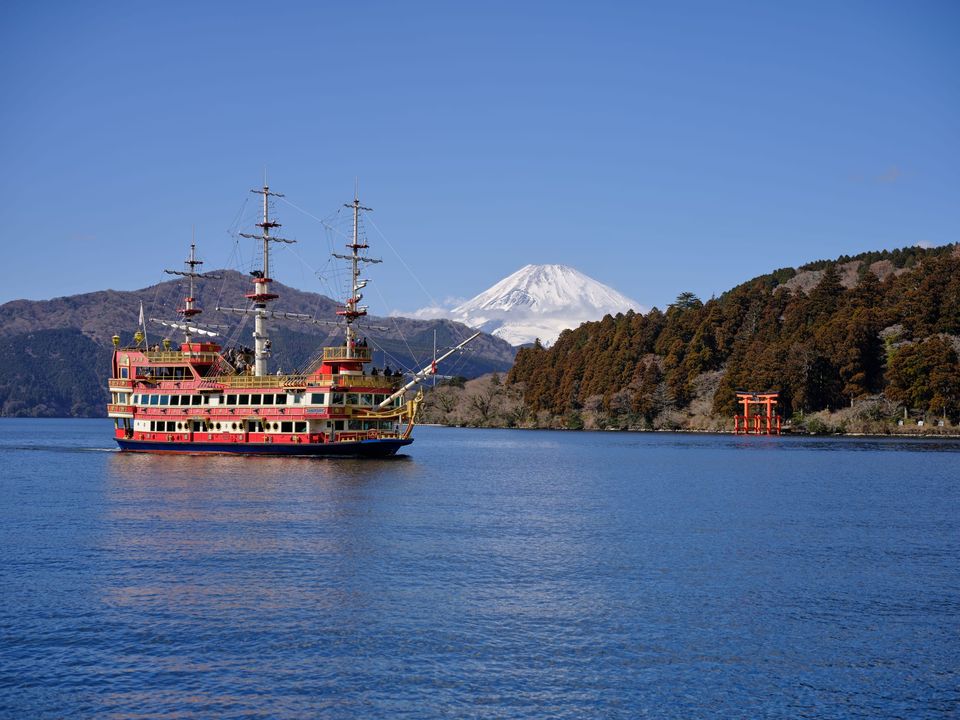
Photo: 정 우겸 / Pexels (Pexels License), displayed with a crop Hakone Day Trip from Tokyo: Times, Fares, Last Runs
Hakone day trip from Tokyo: 11 to 12 hours from Shinjuku, leaving around 8 a.m. Ropeway until 5 p.m. About 9,500 yen with the Freepass and Romancecar.
-
Photo: alonfloc (Panoramio user), via Wikimedia Commons / Wikimedia Commons (CC BY 3.0), displayed with a crop Hakone Day Trip or Overnight? Time and Cost Math to Decide
Day trip or one night in Hakone? Transport from Shinjuku is 9,500 yen either way. A night adds a morning ropeway, a museum and an onsen evening.
-
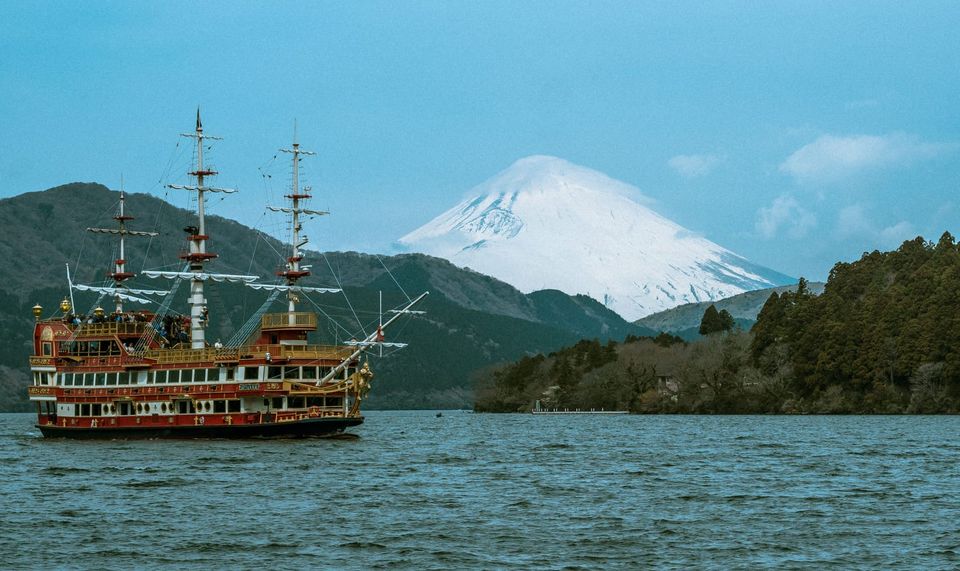
Photo: Bjorn Pierre / Pexels (Pexels License), displayed with a crop Is the Hakone Freepass Worth It? Break-Even Fare Math for 2026
The Hakone Freepass (7,100 yen from Shinjuku) saves 1,240 yen on the full Hakone loop but loses money if you only visit Gora or Lake Ashi.
-
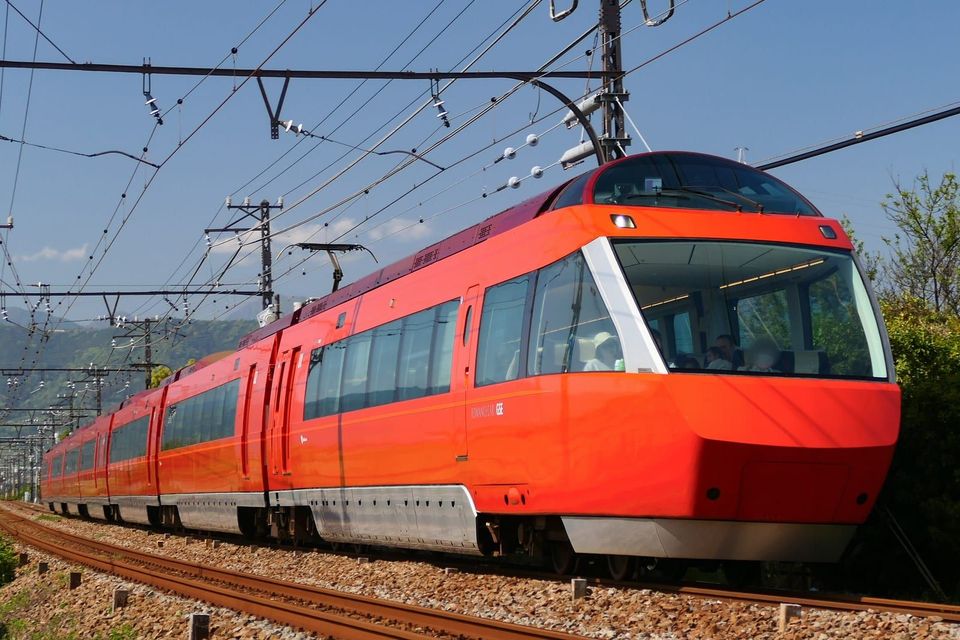
Photo: MaedaAkihiko / Wikimedia Commons (CC0 1.0), displayed with a crop Romancecar from Shinjuku to Hakone: Fares, Booking and Seats
Romancecar from Shinjuku to Hakone-Yumoto: 1,200 yen seat fee (1,150 online) on top of your fare or Freepass. Booking windows, observation seats, refunds.
-
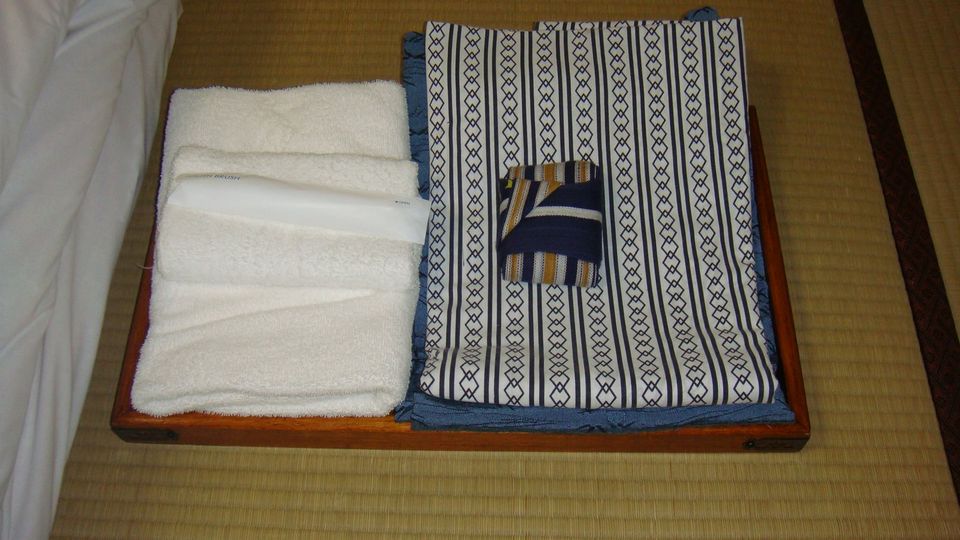
Photo: David McKelvey / Wikimedia Commons (CC BY 2.0), displayed with a crop Hakone Ryokan with Private Onsen: Rooms and Slots
A Hakone ryokan with private onsen means an in-room bath or a booked slot (free to 3,000 yen). Areas, meals, access and tattoo notes from official sites.
-
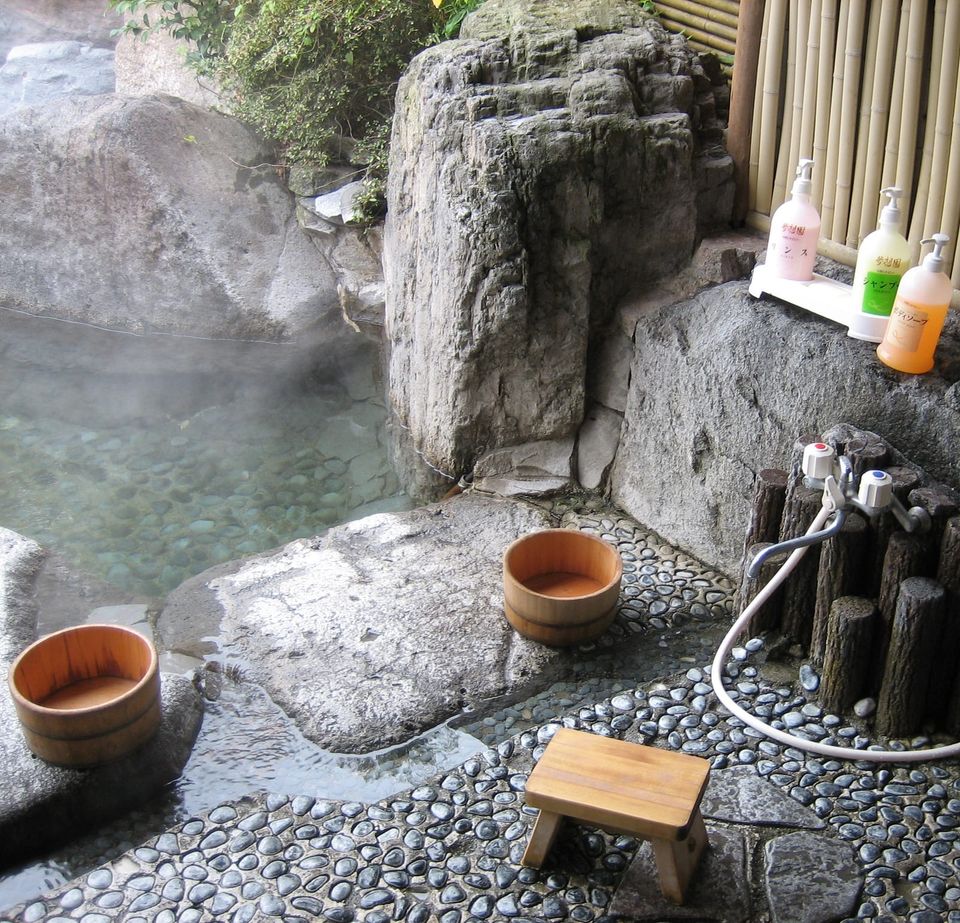
Photo: Jeremy Hall / Wikimedia Commons (CC BY 2.0), cropped; displayed with a crop Tattoo-Friendly Onsen in Hakone: Day-Use and Private Baths
Which Hakone onsen accept tattoos? Day-use baths, private baths by the hour and ryokan whose official sites state their tattoo policy, with prices and hours.
-
Photo: Cassiopeia sweet / Wikimedia Commons (Public domain (PD-self)), displayed with a crop Hakone Luggage Delivery and Storage from 1,500 Yen
Drop a bag at Hakone-Yumoto by noon for 1,500 yen and pick it up at a partner hotel after 3 p.m., or use lockers and the Travel Center until 6 p.m.
-
Mt Fuji from Kamakura and Enoshima: Where and When to Look
Can you see Mt Fuji from Kamakura? Yes, on clear days. Official viewpoints on the coast, Enoshima and temple hills, plus a live camera and Diamond Fuji dates.
-
Photo: Bjorn Pierre / Pexels (Pexels License), displayed with a crop Kamakura vs Hakone vs Yokohama: Which Day Trip from Tokyo?
Kamakura, Hakone or Yokohama? Compare travel time, transport cost, what you see, best season and rainy-day backups, then jump to the full guide for each area.
FAQ
Is Hakone or Kawaguchiko better for seeing Mt Fuji?
Kawaguchiko, if Fuji is the whole point. The town's own landscape plan says Fuji can be seen from almost everywhere in Fujikawaguchiko, and the north shore of Lake Kawaguchi looks straight across the water to the mountain. In Hakone, Fuji is seen from farther away, from specific spots such as the Hakone Ropeway, Owakudani, Komagatake and Moto-Hakone. Neither place can promise a view: clouds hide Fuji in every season.
Which is closer to Tokyo, Hakone or Kawaguchiko?
By the official times, Hakone-Yumoto is about 80 minutes from Shinjuku on the Odakyu Romancecar, and Kawaguchiko Station is about 1 hour 45 minutes from Busta Shinjuku on the Fujikyu highway bus, depending on traffic. Hakone's Fuji viewpoints are higher up the mountain, though, so reaching them from Hakone-Yumoto takes longer.
Can you do Hakone and Kawaguchiko in one day?
We don't recommend it as a day trip. Odakyu's Fuji Hakone Pass, the one ticket that covers both areas, is a 3-day pass, and Odakyu's own sample plan for it is three days and two nights. Pick one for a day trip, or give the pair at least two days.
Does the Hakone Freepass cover Kawaguchiko?
No. The Hakone Freepass covers the Odakyu round trip from Shinjuku and transport inside Hakone. For both areas, Odakyu sells the Fuji Hakone Pass (11,100 yen for adults, 3 days), which adds the Fujikyu Railway and designated Fujikyu buses. It doesn't cover the Shinjuku–Kawaguchiko highway bus.
Is Hakone or Kawaguchiko better in winter?
Both get more clear-Fuji days in the colder months. Fuji City's long-term official record shows the mountain is seen more often from autumn to spring than in summer, and Hakone Navi says Fuji is visible all day more often in winter. In Hakone, check the ropeway: it closes at 4:15 p.m. in December and January and has planned closures this winter.
Sources
Prices and opening hours on this page were checked on each official site on the dates below and can change.
- Fuji view spots in Hakone, with access (Hakone Town Tourist Association, Japanese) (checked )
- Hakone Ropeway: hours, travel time, Mt Fuji views (Hakone Navi, Japanese) (checked )
- FAQ: where Mt Fuji is seen from the ropeway and when (Hakone Navi, Japanese) (checked )
- Hakone Sightseeing Cruise: Mt Fuji and torii view point (Hakone Navi) (checked )
- Hakone Ropeway inspection closures and replacement buses, Dec 2026 to Feb 2027 (Odakyu Hakone, Japanese PDF) (checked )
- Hakone Komagatake Ropeway: hours, fares, access (Prince Hotels, Japanese) (checked )
- Hakone Freepass: prices, Romancecar travel time and fee (Odakyu) (checked )
- Fuji Hakone Pass: price, coverage, where to buy (Odakyu) (checked )
- Shinjuku–Kawaguchiko highway bus: fares, travel time, booking (Fujikyu Bus, Japanese) (checked )
- Kawaguchiko, Saiko and Lake Motosu sightseeing buses (Fujikyu Bus) (checked )
- Landscape plan, chapter 2: landscape features and Mt Fuji viewpoints (Fujikawaguchiko Town, Japanese PDF) (checked )
- Member hotels and ryokan (Kawaguchiko Onsen Ryokan Cooperative, Japanese) (checked )
- Mt Fuji observation record, 2025 report (Fuji City, Shizuoka, Japanese PDF) (checked )