Kamakura Day Trip from Tokyo: Temples in One Day
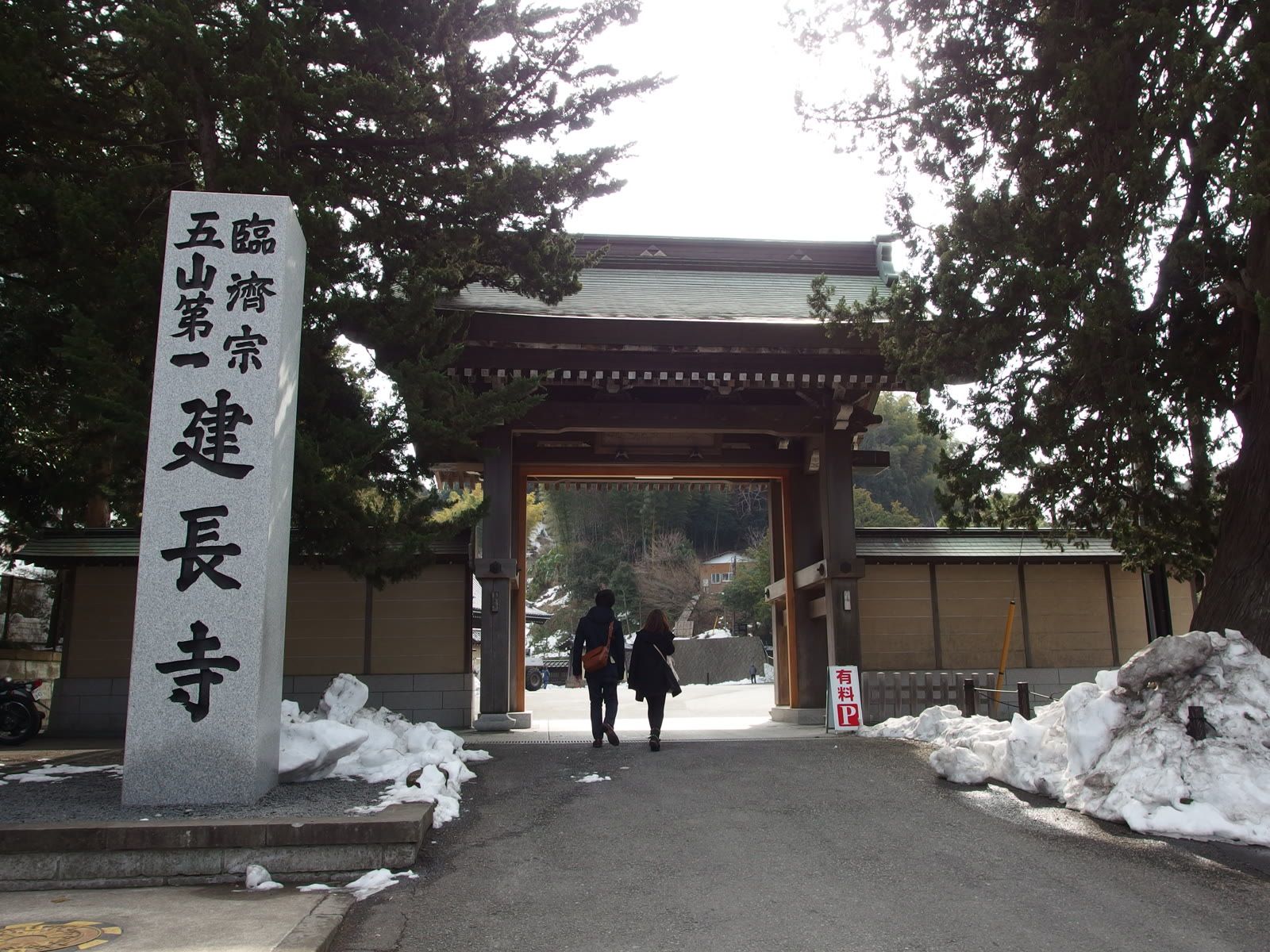
A Kamakura day trip from Tokyo can stay in the temples and skip Enoshima. Go to Kita-Kamakura first, while Engaku-ji and Kencho-ji are open, then Tsurugaoka Hachimangu, then Hase for the Great Buddha and Hasedera. The coast ride and the island are a different day: Kamakura and Enoshima day trip itinerary. Leaf timing and Meigetsuin are in Kamakura in autumn and winter.
Quick answer
- Order: Kita-Kamakura, then the shrine, then Hase. Engaku-ji closes at 4:00 p.m. from December to February and at 4:30 p.m. the rest of the year.
- From Tokyo Station: the JR Yokosuka Line. The Kamakura City Tourist Association says Kamakura is about one hour from Tokyo. Kita-Kamakura is the stop before Kamakura. This page does not print a JR yen fare; check a route app. Platforms are in How to get from Tokyo to Kamakura.
- Paid entries, adult: Engaku-ji 500 yen, Kencho-ji 500 yen (cash), Kotoku-in 300 yen, Hasedera 400 yen. Together that is 1,700 yen, plus 50 yen if you step inside the statue.
- Enoden, Kamakura to Hase: 4 minutes, 200 yen for an adult. One ride does not use up a day pass. Suica on the line is in the Enoden guide.
The times below are a planning order. Each walk and closing time is the temple’s or the railway’s own figure. How long you stay inside is up to you.
Morning: JR to Kita-Kamakura
From Tokyo Station or Shinagawa, the Yokosuka Line runs toward Kamakura without a change of line. From Shinjuku or Shibuya, use a Shonan-Shinjuku train that is going to Zushi, not one that stays on the Tokaido Line. How to get from Tokyo to Kamakura has the platforms and the trains that stop short.
Get off at Kita-Kamakura, one stop before Kamakura. How to get from Tokyo to Kamakura cites JR East’s fare revision of March 14, 2026. This page does not print a current Suica fare for the ride.
Engaku-ji says the walk from Kita-Kamakura Station is 1 minute. Kencho-ji says its own walk from the same station is about 15 minutes, or 5 minutes on the Enoden bus toward Kamakura Station, getting off at Kencho-ji.
Engaku-ji, then Kencho-ji
Engaku-ji (official access page):
- March to November: 8:30 a.m. to 4:30 p.m. Leave the grounds by 5:00 p.m.
- December to February: 8:30 a.m. to 4:00 p.m. Leave by 4:30 p.m.
- Adults (high-school age and older) 500 yen. Elementary and junior-high students 200 yen.
- The temple says it may close for a typhoon or snow. There is no group discount.
Kencho-ji:
- 8:30 a.m. to 4:30 p.m.
- Adults (high-school age and older) 500 yen. Elementary and junior-high students 200 yen. Cash only.
- Hikers who enter through the grounds pay the same admission.
- From Kamakura Station, Kencho-ji says the walk is about 30 minutes, or about 10 minutes by bus.
Do these two before Hase. In winter, Engaku-ji is the one that closes at 4:00 p.m.
Midday: Tsurugaoka Hachimangu
From the Kencho-ji area, use the bus or the walk Kencho-ji describes back toward Kamakura Station, then walk to the shrine. The shrine’s English access page says the east exit of JR Kamakura Station is a 10-minute walk, and so is Enoden Kamakura Station.
The shrine lists its gates as 6:00 a.m. to 8:00 p.m. year-round. That page does not list an admission fee for the grounds. The Treasure Hall is separate: 9:00 a.m. to 4:00 p.m., 200 yen for adults and 100 yen for elementary-school students, and it can close while exhibits are changed.
Komachi-dori, the shopping street on the way from the station, is not a timed stop. The combined Enoshima itinerary puts it in the late morning for a reason: it gets crowded.
Afternoon: Hase, the Great Buddha and Hasedera
Enoden’s fare table, read on November 16, 2026, lists Kamakura to Hase as 4 minutes and 200 yen for an adult (100 yen for a child). How to tap Suica, including the green and yellow readers at smaller stations, is in the Enoden guide. Hase has gates.
Kotoku-in, the Great Buddha, says it is a 7-minute walk from Hase Station.
- April to September: 8:00 a.m. to 5:30 p.m.
- October to March: 8:00 a.m. to 5:00 p.m.
- Visitors may enter until 15 minutes before closing.
- Adults 300 yen. Children aged 6 to 12, 150 yen. Under 6, no charge.
- Inside the statue: 50 yen more, 8:00 a.m. to 4:30 p.m.
Kotoku-in says Hasedera is about a 5-minute walk from the Great Buddha. Hasedera’s own page:
- July to March: 8:00 a.m. to 5:00 p.m., last entry 4:30 p.m.
- April to June: 8:00 a.m. to 5:30 p.m., last entry 5:00 p.m.
- Adults 400 yen. Children aged 6 to 11, 200 yen.
Four adult admissions, without the statue interior and without the Treasure Hall, are 500 + 500 + 300 + 400 = 1,700 yen.
What this day leaves out
Enoshima, the Sea Candle and the Enoden ride along the shore are not in this plan. Adding them after a Kita-Kamakura morning is the combined itinerary, and that page starts in central Kamakura so the island still fits before sunset. A guided bus that includes Enoshima is described there, not here.
Klook lists a Kamakura day from Tokyo that includes an Enoden ride. Check that page for which stops it actually visits. It is a guided product, not this self-guided order.
Kamakura is usually a day trip on these hours. If you stay the night, Trip.com lists hotels in Kamakura.
Related guides
-
Photo: Tsukada Kazuhiro / Unsplash (Unsplash License), displayed with a crop Kamakura and Enoshima Day Trip Itinerary from Tokyo (One-Day Plan)
How to see Kamakura's Great Buddha, Hasedera and Enoshima in one day from Tokyo: the order that works, which pass to buy, and what it costs.
-
Photo: 延岡 / Wikimedia Commons (CC BY-SA 4.0), displayed with a crop How to Get from Tokyo to Kamakura: JR vs Odakyu, Time and Fare
The simplest ways to reach Kamakura from Tokyo Station, Shinagawa, Shinjuku and Shibuya, with real fares, travel times, and when the slower Odakyu route is the smarter pick.
-
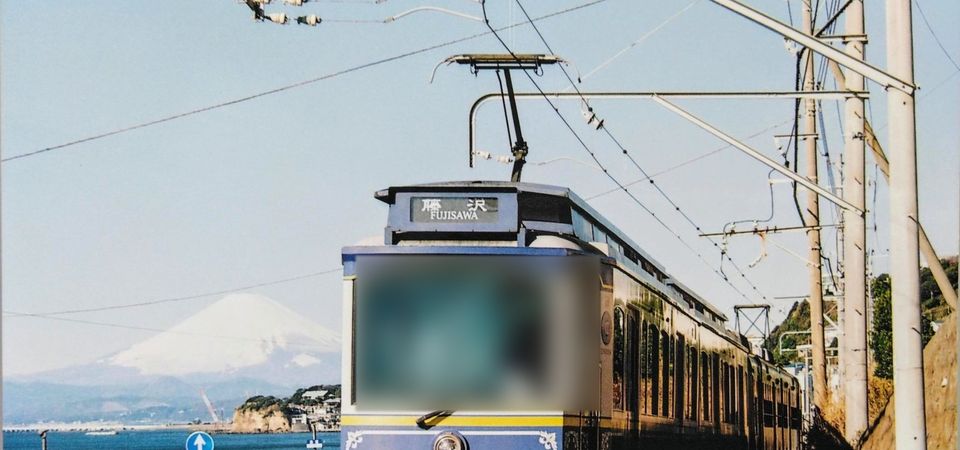
Photo: Kirin7739 / Wikimedia Commons (CC BY 4.0), cropped; displayed with a crop Enoden: Suica Works, Fares 200-310 Yen, No JR Pass
Yes, Suica works on the Enoden. Adult fares are 200, 220, 260 or 310 yen. The JR Pass does not. First train 5:20 a.m.; last full line 11:05 p.m.
-
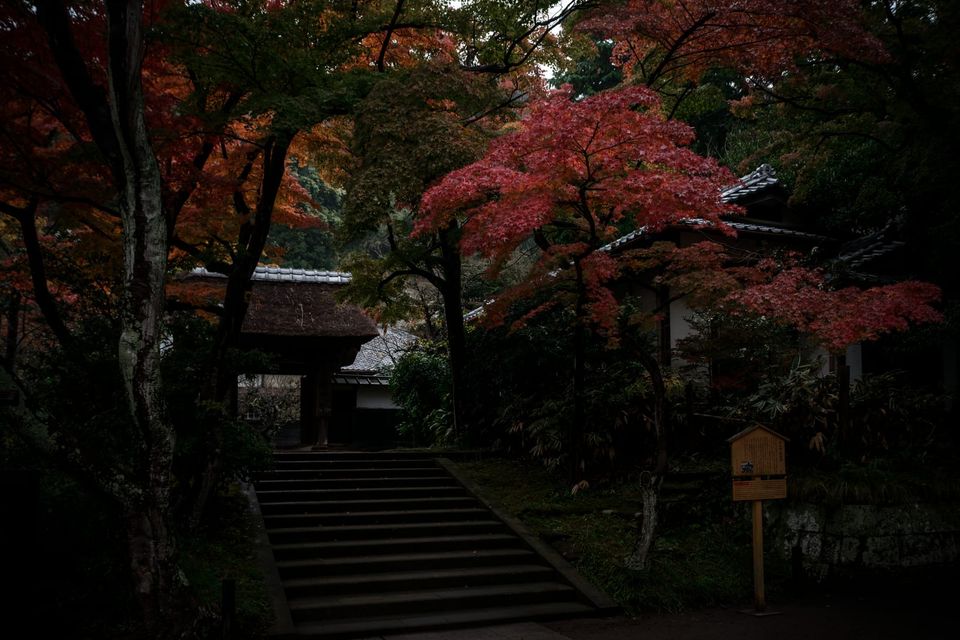
Photo: Artemas Liu / Wikimedia Commons (CC BY 2.0), displayed with a crop Kamakura in Autumn and Winter: Leaf Timing, Hours, New Year
When Kamakura's autumn leaves usually peak, which temples to visit by area with winter hours and fees, last year's night openings, and New Year crowd rules.
-
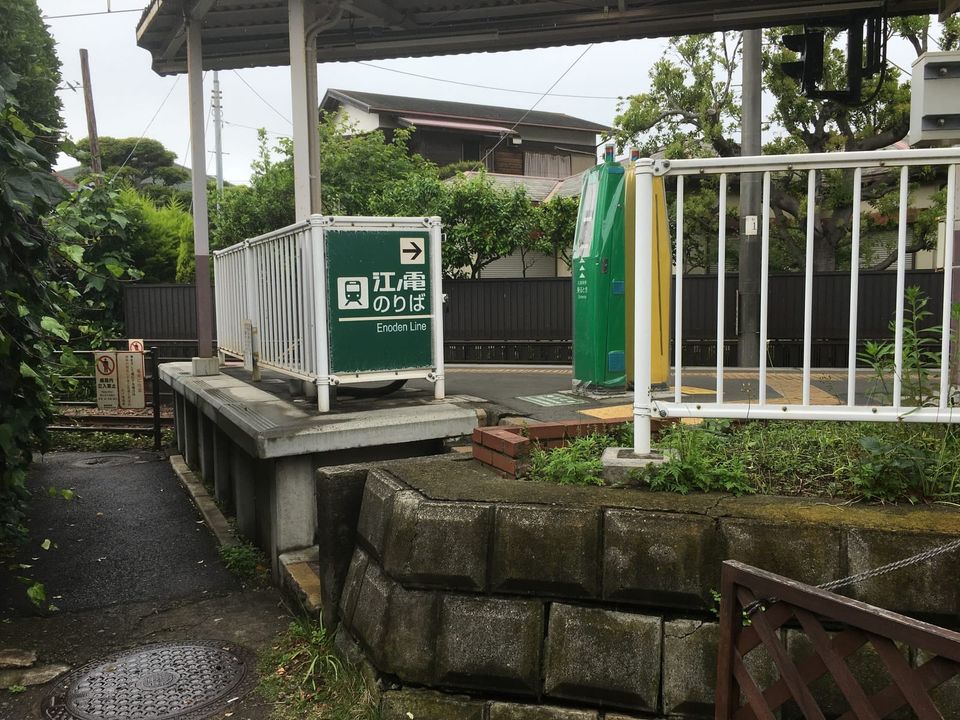
Photo: Nesnad / Wikimedia Commons (CC BY 4.0), displayed with a crop Enoshima-Kamakura Freepass vs Enoden Pass vs Suica: Which Saves Money?
Real fare math for a Kamakura and Enoshima day trip: when the 1,640-yen Freepass pays off, when the 800-yen Enoden pass does, and when plain Suica is cheaper.
FAQ
Can you do a Kamakura day trip from Tokyo without Enoshima?
Yes. This plan uses JR to Kita-Kamakura, then Engaku-ji, Kencho-ji, Tsurugaoka Hachimangu, and the Enoden to Hase for Kotoku-in and Hasedera. It does not cross to Enoshima. The coast-and-island day is a separate itinerary.
Which Kamakura temple closes first?
Engaku-ji. From March to November it is open 8:30 a.m. to 4:30 p.m., and you must leave by 5:00 p.m. From December to February it closes at 4:00 p.m., and you must leave by 4:30 p.m. Kencho-ji closes at 4:30 p.m. year-round. Start in Kita-Kamakura.
How much are the temple admissions on this Kamakura day?
Engaku-ji and Kencho-ji are 500 yen each for high-school age and older. Kotoku-in is 300 yen, plus 50 yen to step inside the statue. Hasedera is 400 yen. Those four adult fees add up to 1,700 yen, or 1,750 yen with the statue interior. Tsurugaoka Hachimangu's Treasure Hall is a separate 200 yen. Kencho-ji is cash only.
How long is the Enoden from Kamakura to Hase?
4 minutes, and 200 yen for an adult, on Enoden's fare table read on November 16, 2026. The child's fare on that pair is 100 yen. Suica rules for the line are in the Enoden guide.
Should a Kamakura day trip start at Kita-Kamakura or Hase?
Kita-Kamakura, if Engaku-ji and Kencho-ji are on the list. They close earlier than Kotoku-in. Kotoku-in is open until 5:00 p.m. from October to March and 5:30 p.m. from April to September. Hasedera's last entry is 4:30 p.m. from July to March.
Sources
Prices and opening hours on this page were checked on each official site on the dates below and can change.
- Kamakura is about one hour from Tokyo (Kamakura City Tourist Association, Japanese) (checked )
- Engaku-ji: hours, admission and the walk from Kita-Kamakura (official, Japanese) (checked )
- Kencho-ji: hours, cash admission and access (official, Japanese) (checked )
- Tsurugaoka Hachimangu: gate hours and the walk from Kamakura Station (official) (checked )
- Tsurugaoka Hachimangu Treasure Hall: hours and admission (official) (checked )
- Kotoku-in: hours, admission and the walk from Hase (official) (checked )
- Hasedera: hours, last entry and admission (official) (checked )
- Enoden fare table, including Kamakura to Hase (Enoshima Electric Railway) (checked )